
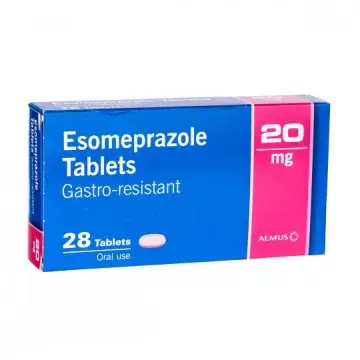
Images for illustrative purposes only
Looking for Next Day delivery?
Order before 15:30 on Monday to Friday for next day delivery
Esomeprazole
Esomeprazole is a medicine that belongs to the family of drugs known as proton pump inhibitors (PPIs). It is used to reduce the amount of stomach acid your stomach makes. It treats conditions such as acid reflux, gastroesophageal reflux disease (GORD), and heartburn. It's also used to treat and prevent stomach ulcers. You can also be prescribed Esomeprazole if you have a rare condition called Zollinger-Ellison syndrome.
- Taken once daily
- Used to treat acid reflux and heartburn
- Cheaper version of Nexium Control
Buy Esomeprazole Online
Esomeprazole, sold under the brand name Nexium, is a drug used to reduce stomach acid production and relieve symptoms of acid reflux and indigestion. Esomeprazole is available as capsules, tablets, and granules to be dissolved in a liquid you drink.
You can buy Esomeprazole 20mg and 40mg tablets and capsules from Pharmacy Online following a successful, short online consultation.
When to Use Esomeprazole Tablets?
Esomeprazole works by reducing the amount of acid your stomach produces. For this reason, it's most popular for the following conditions and symptoms:
- GERD: Gastroesophageal Reflux Disease can cause acid regurgitation and heartburn. Esomeprazole is an effective treatment for reducing the production of stomach acid, which reduces your symptoms.
- Stomach Ulcers: The medicine can also help heal stomach ulcers. Your GP may also prescribe it for a small intestine ulcer.
- NSAIDs: Frequent non-steroidal anti-inflammatory drug (NSAID) usage can increase the risks of ulcers and GERD. If you need to use naproxen or ibuprofen, Esomeprazole can reduce the chances of complications.
- H. pylori Eradication: In some cases, PPIs can work in combination with antibiotics to treat infections caused by Helicobacter pylori bacteria.
- Zollinger-Ellison Syndrome: If your stomach produces too much acid due to a pancreatic or duodenal tumour, Esomeprazole can help.
Age Restrictions For Esomeprazole
Esomeprazole tablets and capsules are licensed for adults and young people aged 12 and over. They are not recommended for children under 12 - children aged 1 to 11 have a separate form, 10mg granules in a sachet, dosed by a doctor.
How to Use Esomeprazole?
When using Esomeprazole tablets or capsules, it's important to follow the instructions carefully:
- Timing: You can take Esomeprazole at any time of day, with food or on an empty stomach.
- How to Take: Avoid crushing or chewing the tablets or capsules. Swallow them whole with water.
- Dose: The usual dose is 20mg once a day. 40mg once a day is used for 4 weeks to heal reflux that has damaged the gullet (oesophagitis), with 4 more weeks if it has not healed. People with Zollinger-Ellison syndrome start on 40mg twice a day. Your prescriber will tell you which strength and dose to take.
- Duration: Esomeprazole is available by prescription and over the counter. If you buy the OTC tablets, please see a doctor if your symptoms don't improve after 14 days.
- Be Patient: Some people notice an improvement within 2-3 days, but it can take up to 4 weeks to work fully. If your symptoms are not controlled after 4 weeks, speak to a doctor.
If your symptoms get worse, or you notice symptoms like weight loss or tarry/black stools, please seek medical advice immediately.
When to Avoid Using Esomeprazole?
Esomeprazole is one of the best treatment options for reducing stomach acid secretion. However, there are some cases when you should avoid using it. These include:
- Sensitivities or Allergies: If you're sensitive or allergic to Esomeprazole, you should avoid using the tablets. This also applies to other proton pump inhibitor medicines, as they're all similar.
- Medications: Because Esomeprazole reduces stomach acid, it can prevent your body from absorbing HIV medicines. Do not take Esomeprazole with nelfinavir, and taking it with atazanavir is not recommended. Individuals taking cilostazol are at higher risk of side effects.
Precautions For Esomeprazole
Please avoid buying OTC Esomeprazole and speak to a doctor or registered pharmacist first if any of the following apply:
- Severe Liver Disease: Individuals with impaired liver function may struggle to metabolise the medication properly. However, your doctor might feel that 20mg a day is a low enough dose.
- Osteoporosis: If you use PPIs for longer than a year, it can increase the risk of bone density issues and osteoporosis.
- Low Magnesium: People with a magnesium deficiency can experience dangerous drops, leading to a range of side effects.
- Pregnant/Breastfeeding: Do not take Esomeprazole if you are breastfeeding. If you are pregnant, think you may be pregnant or are planning a baby, ask your doctor before taking it - your doctor will decide whether you can take it.
Ingredients Of Esomeprazole
The active ingredient is esomeprazole - 20mg or 40mg in each tablet or capsule, depending on the strength you order. It's responsible for turning off your stomach's proton pumps, which reduces excess acid.
Inactive Ingredients:
- Methacrylic acid-ethyl acrylate copolymer
- Talc
- Hypromellose phthalate
- Sucrose
- Maize Starch
- Titanium dioxide
- Hypromellose
- Crospovidone
- Synthetic Paraffin
- Iron oxides
Inactive ingredients vary between manufacturers, so the pack you receive may not match this list exactly. Always check the leaflet in your pack.
Some esomeprazole tablets (for example those made by Sandoz) contain lactose. If you cannot tolerate lactose, tell us before you order.
Most esomeprazole tablets and capsules contain sucrose (a type of sugar). If a doctor has told you that you cannot tolerate some sugars, talk to them before taking this medicine.
Most people who take esomeprazole don't experience any side effects. However, like all medications, there are side effects associated with it.
Some of these can be quite mild and can subside over time. Others are more serious and should be reported to your GP right away if you experience any of them.
Please contact a member of our team if you are concerned about any potential side effects that may occur when taking esomeprazole.
Common side effects include:
- Nausea
- Diarrhoea
- Abdominal pain
- Constipation
- Headache
- Vomiting
- Wind (flatulence)
- Harmless (benign) polyps in the stomach
Uncommon side effects include:
- Dry mouth
- Dizziness
There are some rare yet severe side effects associated with esomeprazole, including severe allergic reaction.
You should seek medical attention if you experience joint pain along with a red skin rash, especially in parts of your body exposed to the sun, such as your arms, cheeks and nose.
How does Esomeprazole work?
It works by preventing certain stomach enzymes from producing acid. This leads to a decrease in acid refluxing up into the gullet (oesophagus) and causing symptoms associated with all the conditions above.
It is recommended that you take a daily dose regularly to achieve the most effective therapeutic results.
How long does Esomeprazole take to work?
Proton pump inhibitor medicines can take 2-3 days to begin working and up to 4 weeks to work fully.
What is the difference between prescription and over-the-counter proton pump inhibitors?
Both prescription and over-the-counter PPIs contain the same active ingredients and work the same way. The main differences are the conditions they are licensed for, the age of the person using them and how long you can take them before seeing a doctor.
Is Esomeprazole safe?
Esomeprazole is generally well tolerated, but long-term use can cause side effects. Kidney problems (interstitial nephritis) are very rare, the risk of stomach and gut infections is slightly increased, and the risk of bone fractures is modest, mainly with high doses taken for more than a year. You should only use this medication long-term if advised to do so by a healthcare professional.
How does Esomeprazole help gastroesophageal reflux disease?
Gastroesophageal reflux disease (GORD) is a condition which means you keep getting acid reflux.
Esomeprazole reduces stomach acid, making it a suitable medication to treat a range of conditions, including indigestion, heartburn, acid reflux, and GORD.
What should I do in the event of a missed dose?
Take the missed dose as soon as you remember. If it is almost time for your next dose, skip the missed one. Never take a double dose to make up for a forgotten one.
How do you take a PPI?
You can take Esomeprazole at any time of day, with food or on an empty stomach. Swallow it whole with water - do not chew or crush it.
How long will I have to keep taking PPIs?
PPIs are typically taken for 2 to 8 weeks, depending on the condition being treated.
Leaflets
Before taking any medicines, regardless of whether they are over the counter or prescription-only, it is essential always to read the patient information leaflet.

