
Weight Loss
Prescription weight loss injections and weight loss pills have quickly become two of the most talked-about options for managing overweight and obesity in the UK. If diet and exercise alone have not given you the results you hoped for, a medically supervised weight loss treatment may help.
Here you will find the main injections for weight loss and weight loss tablets available in the UK and...
Description
Prescription weight loss injections and weight loss pills have quickly become two of the most talked-about options for managing overweight and obesity in the UK. If diet and exercise alone have not given you the results you hoped for, a medically supervised weight loss treatment may help.
Here you will find the main injections for weight loss and weight loss tablets available in the UK and information on how they work, who is eligible, how safe they are, and what they cost. The aim is to give you clear, balanced information so you can decide, with a prescriber, whether treatment is right for you.
Demand for weight loss injections UK-wide has grown over the last few years, though tablets and capsules remain a strong choice for anyone who would rather not inject. Whichever route you and your prescriber choose, results are best when treatment is used alongside healthier eating and increased physical activity.
This page is for information only and is not a diagnosis or a recommendation to take any specific medicine. Any prescription treatment depends on an assessment by a prescriber.
Weight loss injections vs weight loss tablets: which is right for you?
Both approaches are designed to help you lose weight, but they differ in how you take them, how often, and how they act on the body.
Which is right for you depends on your BMI, your medical history, any other conditions, and your own preferences. A prescriber will help you weigh this up during a consultation.
Weight loss injections
How do weight loss injections work?
Most weight loss injections belong to a group of medicines that copy natural gut hormones called Glucagon-like Peptide-1 (GLP-1) and, in Mounjaro's case, also Glucose-dependent Insulinotropic Polypeptide (GIP).
These hormones act on areas of the brain that control appetite, helping you feel fuller for longer, reducing hunger and slowing how quickly the stomach empties. The result, for many people, is that they eat less without feeling deprived.
Injections for weight loss are not a substitute for a healthy diet and activity; they work alongside them.
What are the weight loss injections currently available in the UK?
The main weight loss injections names you are likely to come across in the UK are:
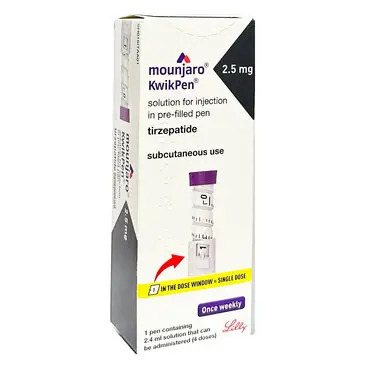
- Mounjaro weight loss injections (tirzepatide): a once-weekly injection that acts on both GLP-1 and GIP.
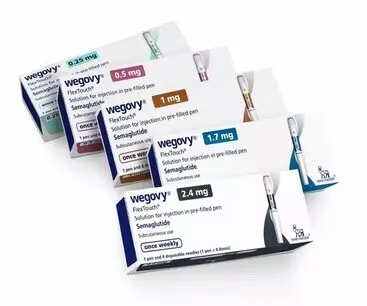
- Wegovy weight loss injections (semaglutide): a once-weekly GLP-1 injection.
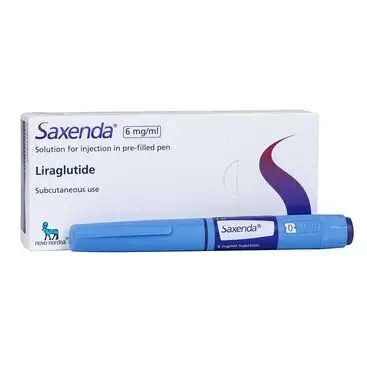
- Saxenda weight loss injections (liraglutide): a once-daily GLP-1 injection.
- Nevolat weight loss injections (liraglutide): a once-daily GLP-1 injection.
Mounjaro, Wegovy, Saxenda & Nevolat are prescription-only medicines. They can only be supplied after a prescriber has confirmed that treatment is suitable for you.
NHS vs private, eligibility and BMI
Weight loss injections are available both on the NHS and privately, but NHS access is limited and usually reserved for people who meet specific criteria, often through a specialist weight management service. Privately, eligibility is based mainly on your BMI.
As a general guide, the BMI for weight loss injections is usually a BMI of 30 or more, or 27 or more if you also have a weight-related condition such as type 2 diabetes or high blood pressure.
Lower thresholds often apply if you are from a Black, Asian or other minority ethnic background, as these groups can face a higher risk of conditions like type 2 diabetes at a lower BMI. In practice this usually means around 2.5 points is taken off the figures above, so a BMI of 27.5 or more, or 25 or more with a weight-related condition [8].
Your prescriber will confirm the exact thresholds for each medicine.
Are weight loss injections safe?
Side effects of weight loss injections
When prescribed and monitored properly, GLP-1 injections have an established safety profile, but like all medicines they can cause side effects.
The most common side effects of weight loss injections are digestive:
- Nausea
- Diarrhoea
- Constipation
- Vomiting
- Stomach discomfort
Side effects are most likely to be experienced first starting treatment or as the dose is increased; these typically settle over time.
Less common but more serious side effects of weight loss injections can include gallbladder problems, such as gallstones, and pancreatitis (inflammation of the pancreas). Warning signs to watch for include severe or ongoing tummy pain, particularly pain that spreads to your back, along with nausea, vomiting or yellowing of the skin or eyes.
If you notice any of these, stop taking the medication and contact your prescriber or seek urgent medical advice straight away.
You can report any suspected side effect through the MHRA Yellow Card scheme. Always read the patient information leaflet that comes with your medicine.
Who should not use weight loss injections
GLP-1 injections are not suitable for everyone. You should not use them if you are pregnant, breastfeeding or trying for a baby. Because their effects in pregnancy are not known, women who could become pregnant are usually advised to use reliable contraception while on treatment.
Mounjaro (tirzepatide) can also make the contraceptive pill less effective, so an additional method, such as condoms, is recommended for 4 weeks after starting and for 4 weeks after each dose increase.
These medicines are also not recommended if you or a close family member has had medullary thyroid cancer or the condition MEN 2 (multiple endocrine neoplasia type 2).
Tell your prescriber about any history of pancreatitis, gallbladder problems, diabetes or other health conditions.This is not a complete list. Always read the patient information leaflet that comes with your medicine, and your prescriber will confirm whether treatment is right for you.
How to use weight loss injections
Injections are given into the fatty layer just under the skin (known as a subcutaneous injection), usually into the stomach area, thigh or upper arm, using a pre-filled pen.
Weekly injections are taken on the same day each week; daily ones at a similar time each day. Doses are normally started low and increased gradually to reduce side effects. Your prescriber or pharmacist can show you how to inject safely and how to store your pen.
What happens when you stop weight loss injections?
As these medicines work by regulating appetite, appetite tends to return once treatment stops, and some people regain weight.
In a clinical trial extension, participants who came off semaglutide regained around two-thirds of the weight they had lost within a year, with appetite returning towards its starting level in the first weeks off the medication [1].
This is why injections are usually offered as part of a longer-term plan that includes lasting changes to diet and physical activity [2][3], and why any decision to stop should be discussed with your prescriber [2].
Weight loss injections cost and where to buy weight loss injections
The cost of weight loss injections varies by medicine, dose and how long you take them. Because these are prescription-only medicines, the exact cost and brand that will be prescribed to you are confirmed only after one of our pharmacists has assessed your eligibility.
If you are wondering where to buy weight loss injections safely, choose a UK-registered pharmacy, like Pharmacy Online that requires a proper clinical consultation before dispensing any medication.
Weight loss pills & tablets
How do weight loss pills work?
Weight loss pills fall into a few different groups:
- Fat blockers such as orlistat reduce how much fat your body absorbs from food. Rather than affecting your appetite, orlistat works in the gut, stopping around a third of the fat in your meals from being digested so it passes out of the body instead.
- A newer group, GLP-1 tablets for weight loss, use the same appetite-regulating hormone pathway as the injections but in tablet form. Instead of acting on fat in your food, they work on the brain's appetite signals to reduce hunger and help you feel fuller for longer, which tends to lower how much you eat overall.
The two approaches are quite different: orlistat targets fat absorption and pairs best with a lower-fat diet, while GLP-1 tablets target appetite. Subsequently, weight loss tablets and capsules do not all work in the same way, so your prescriber will help you choose the best option for you.
What weight loss pills are currently available in the UK?
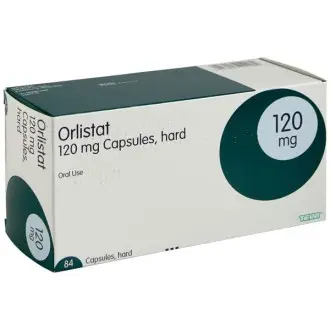
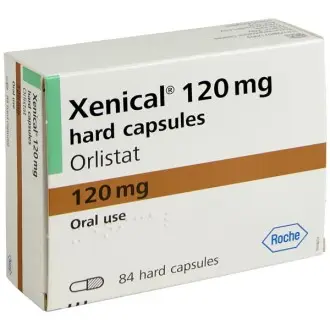
- Orlistat weight loss capsules and Xenical (orlistat 120mg): a prescription fat blocker taken with meals.
- Alli weight loss capsules (orlistat 60mg): a lower-dose pharmacy medicine version of orlistat.
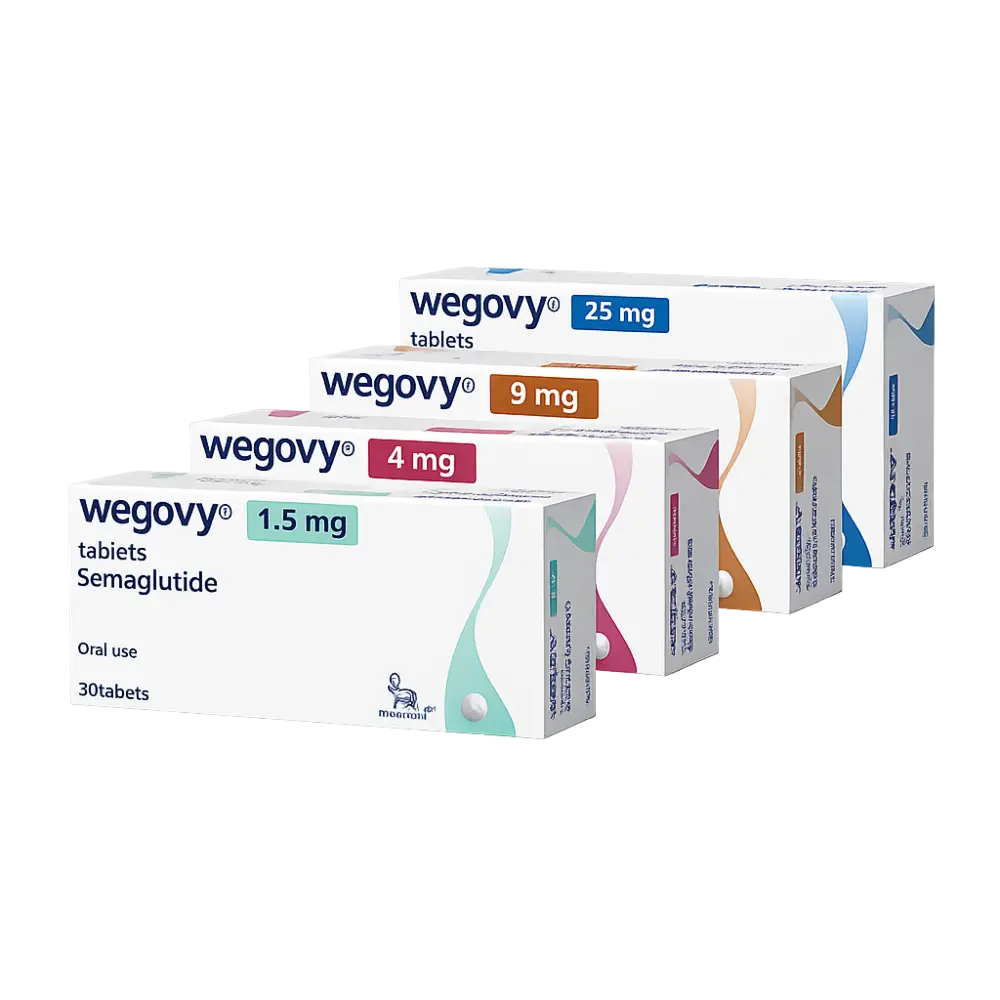
- The Wegovy pill (oral semaglutide): the first GLP-1 tablet approved for weight loss in the UK.
Prescription vs over-the-counter weight loss pills - UK
Prescription weight loss pills such as Xenical (orlistat 120mg) and the Wegovy pill require an assessment by a prescriber.
The lower-dose Alli (orlistat 60mg) is a pharmacy (P) medicine, which means a pharmacist can supply it after a suitable conversation, without a prescription (always read the label).
Whichever route applies, a pharmacist or prescriber will check it is appropriate for you. Higher-dose orlistat and the GLP-1 options are only available as prescription weight loss pills UK-wide.
What are the new weight loss pills?
New oral GLP-1 tablets
The approval of the Wegovy pill means an oral semaglutide is now a licensed option for weight loss in the UK, giving people who prefer tablets for weight loss access to GLP-1 treatment without injecting.
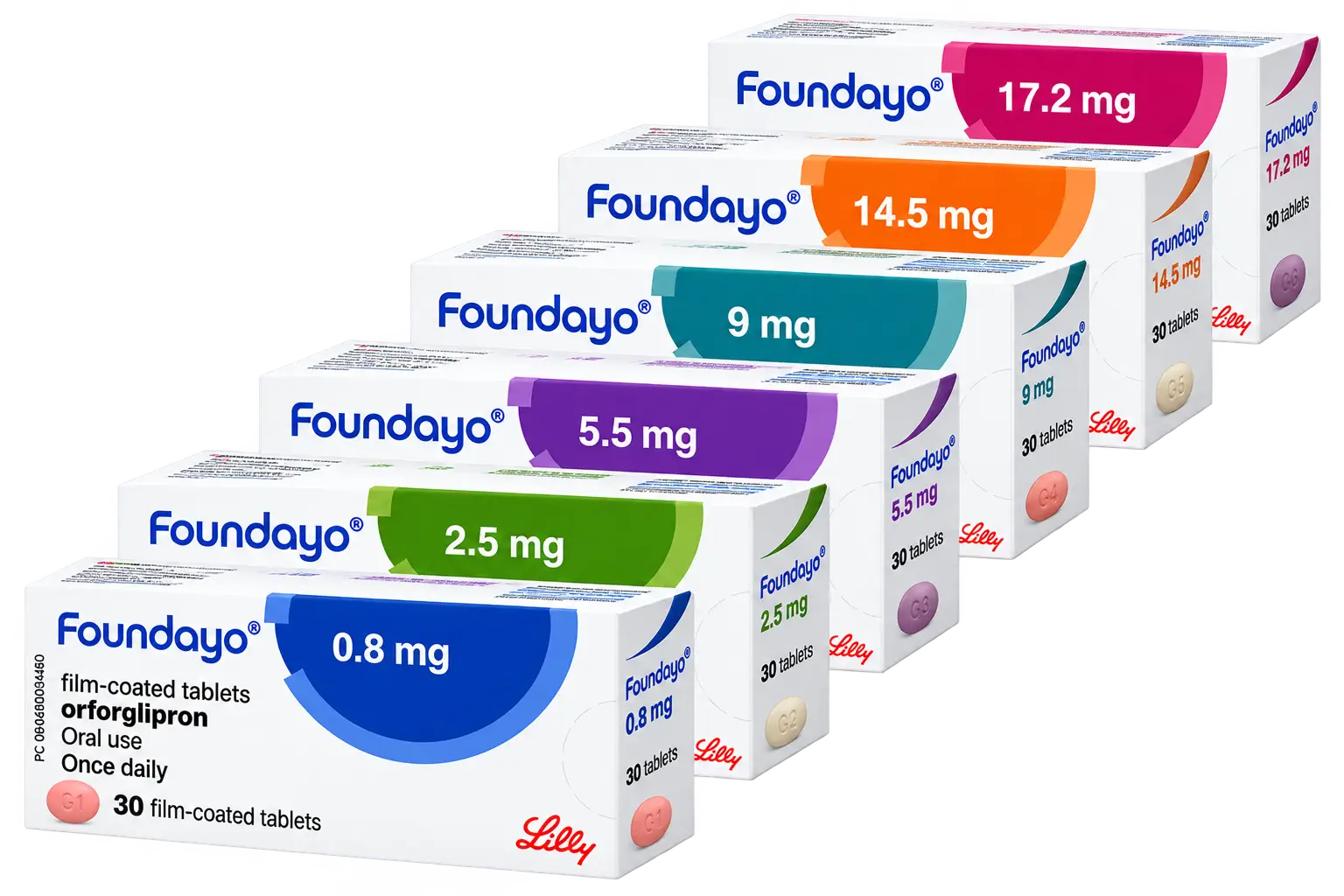
A further oral GLP-1, orforglipron (Foundayo), has been licensed in the UK and is currently available.
Do weight loss pills actually work?
Evidence shows that licensed weight loss tablets can help people lose weight when used alongside a reduced-calorie diet and more activity, though the amount lost is generally more modest than with the newer injections.
In the four-year XENDOS trial, for example, orlistat combined with lifestyle changes produced greater weight loss than lifestyle changes alone (an average of 5.8 kg versus 3.0 kg) [4], noticeably less than the double-digit percentage losses reported with semaglutide injections [1]. Results vary from person to person and no tablet is a shortcut.
Be cautious of any product marketed as the "best" or "strongest" weight loss pill without evidence. Unlicensed slimming pills bought online can be unsafe, and the MHRA has repeatedly warned that these products may contain undisclosed or dangerous ingredients linked to serious harm [5]. Stick to licensed medicines supplied by a UK-registered pharmacy.
Are weight loss pills safe?
Side effects of weight loss pills
When prescribed and supplied by a registered pharmacy, licensed weight loss tablets have a well-established safety profile, but like all medicines they can cause side effects, and these differ depending on how the tablet works.
With fat blockers such as orlistat, the most common side effects relate to the way undigested fat passes through the gut, particularly if your meals are high in fat:
- Oily or fatty stools
- Urgent or more frequent bowel movements
- Wind, sometimes with an oily discharge
- Stomach pain or discomfort
These effects are usually milder when you keep to a lower-fat diet, and they tend to ease as your body adjusts.
With GLP-1 tablets for weight loss, the side effects are mainly digestive, similar to the injectable versions:
- Nausea
- Diarrhoea
- Constipation
- Vomiting
- Stomach discomfort
Side effects are most likely when first starting treatment or as the dose is increased, and these typically settle over time.
Less common but more serious side effects can include gallbladder problems, such as gallstones, and pancreatitis (inflammation of the pancreas), which are linked to the GLP-1 tablets in particular. Warning signs to watch for include severe or ongoing tummy pain, particularly pain that spreads to your back, along with nausea, vomiting or yellowing of the skin or eyes.
If you notice any of these, stop taking the medication and contact your prescriber or seek urgent medical advice straight away.
Who should not use weight loss pills
Not everyone can take weight loss tablets, and who they suit depends on the type.
GLP-1 tablets such as the Wegovy pill carry the same cautions as the injections. They should not be used in pregnancy, breastfeeding or while trying for a baby, or by anyone with a personal or family history of medullary thyroid cancer or MEN 2 (multiple endocrine neoplasia type 2). Reliable contraception is usually advised for women who could become pregnant.
Orlistat (including Xenical and Alli) is also not suitable in pregnancy or breastfeeding, or for people with chronic malabsorption syndrome or cholestasis (a problem with bile flow). Because it can reduce how well your body absorbs some vitamins and medicines, tell your prescriber or pharmacist what else you take.
This is not a complete list. Always read the patient information leaflet, and your prescriber or pharmacist will check that treatment is right for you before you start.
Starting weight loss treatment with Pharmacy Online
Whether you feel injections or tablets would suit you better, weight loss treatment at Pharmacy Online always begins with a short online consultation. A prescriber reviews your answers, your BMI and your medical history to decide what is safe and appropriate for you and can recommend the option most likely to help you reach your goals.
You receive treatment only once your eligibility has been assessed. Taken alongside lasting changes to your diet and activity, the right medically supervised treatment can be a genuine step towards managing your weight for the long term.
References
- Wilding JPH, Batterham RL, Davies M, et al. Weight regain and cardiometabolic effects after withdrawal of semaglutide: The STEP 1 trial extension. Diabetes, Obesity and Metabolism. 2022;24(8):1553-1564. https://dom-pubs.onlinelibrary.wiley.com/doi/10.1111/dom.14725
- National Institute for Health and Care Excellence (NICE). Semaglutide for managing overweight and obesity. Technology appraisal guidance TA875. 2023. https://www.nice.org.uk/guidance/ta875
- British Heart Foundation. Weight-loss injections explained. https://www.bhf.org.uk/informationsupport/heart-matters-magazine/medical/weight-loss-injections-explained
- Torgerson JS, Hauptman J, Boldrin MN, Sjöström L. XENical in the Prevention of Diabetes in Obese Subjects (XENDOS) study: a randomized study of orlistat as an adjunct to lifestyle changes for the prevention of type 2 diabetes in obese patients. Diabetes Care. 2004;27(1):155-161. https://pubmed.ncbi.nlm.nih.gov/14693982/
- Medicines and Healthcare products Regulatory Agency (MHRA). Dodgy diet pills: dying to lose weight. GOV.UK. https://www.gov.uk/government/news/dodgy-diet-pills-dying-to-lose-weight
- Wilding JPH, Batterham RL, Calanna S, et al. Once-weekly semaglutide in adults with overweight or obesity. New England Journal of Medicine. 2021;384(11):989–1002. https://www.nejm.org/doi/full/10.1056/NEJMoa2032183
- Jastreboff AM, Aronne LJ, Ahmad NN, et al. Tirzepatide once weekly for the treatment of obesity. New England Journal of Medicine. 2022;387(3):205–216. https://www.nejm.org/doi/full/10.1056/NEJMoa2206038
- NICE (2025) Overweight and obesity management (NG246). National Institute for Health and Care Excellence. Available at: https://www.nice.org.uk/guidance/ng246
- Knop FK, Aroda VR, do Vale RD, et al. Oral semaglutide 50 mg taken once per day in adults with overweight or obesity (OASIS 1): a randomised, double-blind, placebo-controlled, phase 3 trial. The Lancet. 2023;402(10403):705–719. https://www.thelancet.com/journals/lancet/article/PIIS0140-6736(23)01185-6/abstract
Frequently Asked Questions
How do weight loss injections work?
Weight loss injections copy natural gut hormones (GLP-1, and GIP with Mounjaro) that reduce appetite, help you feel full sooner and slow digestion, so many people naturally eat less. They work best alongside a healthy diet and regular activity.
Do weight loss injections work?
In clinical trials, GLP-1 and GIP injections helped many people lose a meaningful amount of weight when combined with diet and exercise, with some medicines showing average losses of around 15 to 20% of body weight [6][7]. Individual results vary, and weight can return if treatment stops [1].
Are weight loss injections safe?
When prescribed and monitored by a suitable prescriber, these medicines have an established safety profile. The most common side effects are digestive, such as nausea and constipation. Rarer but serious effects can include gallbladder problems and pancreatitis, so report any severe symptoms and read the patient information leaflet.
How to get weight loss injections?
You can get weight loss injections through the NHS if you meet specific criteria (usually via a specialist service), or privately from a UK-registered pharmacy, like Pharmacy Online, after an online consultation. A prescriber checks your BMI and medical history before any medicine is supplied.
Can you get weight loss injections on the NHS?
Yes, but NHS access is limited and typically offered through specialist weight management services to people who meet set criteria. Many people who do not qualify on the NHS choose a private consultation instead.
How much do weight loss injections cost?
The cost depends on the medicine, dose and length of treatment. You can see prices before you start, but as these are prescription-only medicines, the treatment can only be supplied once a prescriber has assessed your eligibility and confirmed it is suitable for you.
What happens when you stop weight loss injections?
Appetite usually returns once the medicine is stopped, and some people regain weight. That is why treatment is best seen as part of a longer-term plan with lasting diet and lifestyle changes. Talk to your prescriber before stopping.
Do weight loss pills work?
Licensed weight loss pills can help people lose weight when combined with a reduced-calorie diet and more activity, though results are usually more modest than with injections and vary from person to person. Avoid unlicensed slimming pills sold online, which can be unsafe.
Are weight loss pills safe?
When prescribed and supplied by a registered pharmacy, licensed weight loss tablets have a well-established safety profile, though like all medicines they can cause side effects.
With orlistat these are mainly digestive, such as oily stools, wind and urgent bowel movements, and tend to be milder on a lower-fat diet.
With GLP-1 tablets they are usually nausea, diarrhoea or constipation, and rarely gallbladder problems or pancreatitis. Avoid unlicensed slimming pills sold online, which the MHRA warns can contain undisclosed or dangerous ingredients [5].
How do weight loss pills work?
Weight loss pills work in different ways depending on the type. Fat blockers such as orlistat act in the gut, stopping around a third of the fat in your meals from being absorbed so it passes out of the body instead.
GLP-1 tablets, such as the Wegovy pill, work instead on the brain's appetite signals to reduce hunger and help you feel fuller for longer, so you tend to eat less overall. They work best alongside a reduced-calorie diet and regular activity.
Where can I get weight loss pills?
Prescription weight loss pills, such as Xenical (orlistat 120mg) and the Wegovy pill, are available from a UK-registered pharmacy like Pharmacy Online after an online consultation with a prescriber, who checks your BMI and medical history first.
Lower-dose Alli (orlistat 60mg) is a pharmacy medicine that a pharmacist can supply without a prescription. Avoid buying unlicensed slimming products online, as these can be unsafe [5].
How much are weight loss pills?
The cost of weight loss pills depends on the medicine, the dose and how long you take them. As most are prescription-only medicines, we confirm the exact brand and price only after a prescriber has assessed your eligibility during your consultation, rather than advertising prices upfront.
How long do weight loss pills take to work?
Weight loss pills do not work overnight. Orlistat starts blocking fat absorption from your first doses, but visible weight change is gradual and builds over weeks and months alongside a lower-fat, reduced-calorie diet [4].
GLP-1 tablets tend to reduce appetite within the first few weeks, with more meaningful weight loss developing over several months of treatment [9]. Results vary from person to person, and no tablet is a shortcut.

