
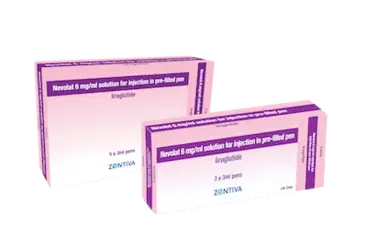
Images for illustrative purposes only
Looking for Next Day delivery?
Order before 15:30 on Monday to Friday for next day delivery
Nevolat
Nevolat is a popular weight loss treatment that works alongside a healthy diet and exercise. It contains the active ingredient Liraglutide, which regulates blood sugar and reduces cravings associated with hunger.
If you struggle to maintain a healthy body weight, Nevolat can help curb cravings and support your weight loss journey.
- Once daily self-injections
- Cheaper generic version of Saxenda
- Reduces your cravings and supports weight loss
- Works when combined with a healthy lifestyle
Buy Nevolat Online
Nevolat is a prescription-only treatment that contains Liraglutide, a medication that mimics GLP-1 (glucagon-like peptide), a natural hormone responsible for regulating appetite.
Nevolat targets receptors in the brain that are responsible for sending hunger signals, reducing food intake, and contributing to weight loss.
When to Use Nevolat Weight Loss Injections?
Nevolat is a GLP-1 receptor agonist mimicking the naturally occurring hunger reduction hormone. When used in injections, it can reduce hunger and cravings, contributing to weight loss.
If any of the following apply, Nevolat may be a suitable treatment option:
You're an adult over 18 with a BMI of 30 or over (classed as obese), or you have a BMI of 27 and over and a weight-related condition (type 2 diabetes, sleep apnoea, high blood pressure).
A child over 12 is classed as obese and may benefit from the treatment.
As a prescription treatment, Nevolat isn't available over the counter, and you'll need to complete an in-depth assessment before our pharmacists will prescribe it.
Age Restrictions
Nevolat is mostly available for adults over 18 with a high BMI, but it may be used in adolescents over 12 in some cases. However, the child must have a high BMI and weight of at least 60kg to use the treatment.
If a doctor feels it might benefit a young person, they'll discuss the potential risks and ensure it's the right decision.
How to Use a Nevolat Pen?
When using Nevolat injections, please follow these steps to ensure safety:
- Prepare: Always store new pens in the fridge. Check whether the liquid in the pen is clear, as expired pens might be cloudy. Wash your hands and attach a disposable needle to the pen.
- Flow Check: Follow the instructions in the leaflet to check the pen's flow and ensure it's working correctly.
- Set The Dose: You can set your dose by turning the dose selector. Please only take the prescribed amount and never increase the dose without medical advice.
- Injection: The best places to inject Nevolat include the upper arm, thighs and abdomen. It's best to rotate injection sites to avoid inflammation and irritation.
- Dispose: Cover the needle with the cap and dispose of it in a specialist sharps container.
Remember, Nevolat is a daily injection and using it at the same time each day ensures you stick to a routine. When prescribed the treatment, you'll begin with a low dose of 0.6 mg and gradually increase it to the maintenance dose of 3.0 mg.
You should only continue using Nevolat if you have lost at least 5% of your starting body weight after 12 weeks on the 3.0 mg daily dose. For adolescents, treatment should only continue if they have lost at least 4% of their BMI after 12 weeks on the 3.0 mg daily dose or the highest dose they can tolerate. Your prescriber will review this with you.
When to Avoid Using Nevolat for Weight Management?
Liraglutide is a powerful weight loss treatment, but it's not suitable for everyone. If any of the following apply, you should avoid using Nevolat:
- Allergies: If you're sensitive or allergic to any of Nevolat's ingredients, you should avoid using it.
- Pregnancy and Breastfeeding: Nevolat isn't suitable if you're pregnant or breastfeeding. You should also avoid using it if you're planning to become pregnant.
- Heart Failure: Nevolat may be unsuitable for patients with heart failure, although more research is needed to assess its potential effects.
- Type 1 Diabetes Mellitus: Nevolat isn't an insulin substitute, and patients with Type 1 diabetes should continue with their regular treatment schedule.
- Severe Renal & Hepatic Impairment: If you have severe renal or hepatic impairment, you should avoid using Nevolat.
Precautions
While the following doesn't automatically rule you out from using Nevolat, you should seek medical advice:
- Pancreatitis: Liraglutide can increase your risk of developing pancreatitis - especially if you have a history of the condition.
- Gastrointestinal Disease: If you have inflammatory bowel disease, you might need to avoid using Nevolat as it can worsen your symptoms.
- Thyroid Problems: Individuals with thyroid issues should be cautious when using Liraglutide.
- Seniors: There's limited research on whether Nevolat is suitable for people over 75.
- Other Medicines: If you're taking other medicines - including anticoagulants - you should speak to a doctor before using Nevolat.
- Other GLP-1s: You should never take Nevolat with other GLP-1 medicines, including lixisenatide and exenatide.
Ingredients
Nevolat contains the active ingredient of Liraglutide, which mimics the GLP-1 hormone. This is the key ingredient as it regulates your appetite and reduces food intake.
Inactive ingredients include:
- Propylene glycol
- Sodium citrate dihydrate
- Hydrochloric acid
- Phenol
- Water
- Sodium hydroxide
Side effects of Nevolat
As with all weight loss injection treatments, Nevolat can cause some side effects, ranging from mild to severe. It's important to monitor your symptoms and stop taking Nevolat if you experience the following severe side effects:
- Breathing problems
- Allergic reactions, including swelling of the throat and face
- Fast heartbeat
- Severe abdominal pain
- Pancreas inflammation
- Severe and persistent pain
Common/Mild Side Effects
- General nausea and potential vomiting
- Headaches
- Gastrointestinal issues (constipation/diarrhoea)
- Feeling tired and weak
- Dizziness
- Low blood sugar levels
- Alterations to your sense of taste
- Insomnia
- Rashes
These side effects are common when you begin taking the weight loss medication, and they should subside within a few days to a few weeks.
Uncommon Side Effects:
- Dehydration due to vomiting and diarrhoea
- Gall bladder inflammation
- Allergic reactions
- Fast pulse
- Kidney problems
- Bowel obstructions
What is Nevolat?
Nevolat is the generic version of the weight loss medicine liraglutide. It comes in a prefilled injectable pen.
What is Nevolat used for?
Nevolat is a treatment used alongside healthy eating and lifestyle changes to help you lose weight. You inject Nevolat under the skin (subcutaneously) once a day using an injection pen.
How does Nevolat work?
The active ingredient in Nevolat is liraglutide which is similar to a naturally occurring hormone released from the intestine after a meal called glucagon-like peptide-1 (GLP-1). Nevolat works by acting on receptors in the brain that control appetite, causing a sensation of fullness and reduced hunger, which could contribute to a reduction in body weight.
How to use Nevolat?
Nevolat is a once a day injection you inject under the skin (subcutaneously). The best places to inject are the front of your tummy (ensure you inject more than 5 cm from your belly button), the front of your thighs or your upper arm. It’s important to rotate your injection sites frequently. You can inject in the same area (e.g. thighs) but choose a different spot in that area each time.
We recommend injecting yourself around the same time each day that suits your schedule.
The pens have been designed to make injecting yourself as easy as possible. Once you’ve been prescribed Nevolat, you’ll receive detailed instructions on how to use the pens from your healthcare provider.
How is Nevolat Taken?
The starting dose when taking Nevolat is 0.6 mg daily, gradually increasing each week until you reach the maintenance dose of 3.0 mg. Please stick to the recommended dosage schedule and never take more Nevolat than prescribed.
It might seem tempting to lose weight faster, but you could experience a range of side effects. However, if you experience any side effects, the dose should not be increased until the side effects have settled.
The dosage over the first five weeks is as follows:
Nevolat Dosage
Week
Dose injected
Week 1
0.6 mg once a day
Week 2
1.2 mg once a day
Week 3
1.8 mg once a day
Week 4
2.4 mg once a day
Week 5 onwards
3.0 mg once a day
The dose should not increase above 3.0 mg per day. If in error you inject more Nevolat than expected please contact your GP.
Is Nevolat effective?
Nevolat works best when used alongside healthy eating and lifestyle choices. When used correctly along with a change in diet and increase in exercise, most people can expect to lose around 11% of their starting body weight after 1 year of treatment, although individual results may vary.
What else should I know about Nevolat?
You should not use Nevolat during pregnancy or while breastfeeding as there’s not enough safety data available on the use of liraglutide in pregnant or breastfeeding women. Pregnant women who are already overweight or obese still need to gain a minimum amount of weight during pregnancy. This is due to the necessary weight gain caused by an increase in maternal tissues and from the baby’s growth during pregnancy.
You should also stop using Nevolat at least one month before you start trying to become pregnant.
What Should I Eat While Taking Nevolat?
Meals with balanced nutrition with plenty of protein, fibre, and healthy fats will support your weight loss journey. While each weight loss injection can support your goals, consuming a diet high in sugar and saturated foods will limit the results you can achieve.
Can I Drink Alcohol While Taking Nevolat?
Please limit your alcohol intake, as drinking while using prescription weight loss treatments can result in side effects, including headaches, vomiting, and nausea. It's also important to remember that many forms of alcohol are high in calories, which could hinder your weight loss efforts.
What is the difference between the different weight loss injections
All of the weight loss injections (Nevolat, Mounjaro, Wegovy) work in a similar way by imitating a hormone released by the body when you eat called a glucagon-like peptide (GLP).
The active ingredient in Nevolat, Mounajro and Wegovy all act on one of the body’s hormonal receptors (GLP-1) which regulates blood sugar levels and, in turn, talks to the brain to make you feel less hungry and prevent cravings. It also slows down the emptying of the stomach to keep you feeling fuller for longer.
In addition, the active ingredient in Mounjaro (tirzepatide) works on an additional hormone receptor called a glucose-dependent insulinotropic polypeptide (GIP). GIP regulates energy balance in brain and fat cells, enhancing the GLP-1 effect of suppressing your appetite and improving sugar control.
Can I switch from a different weight loss injection to Nevolat?
While switching to Nevolat isn't usually an issue, you should still leave a gap of at least one week before starting if you've recently used other weight loss injections. This will ensure that the medication is cleared from your system.
What happens if I miss a dose?
If you forget to take a dose of Nevolat but it's within 12 hours, you can take it as soon as possible. However, if more than 12 hours have passed, you should skip the missed dose and continue with your usual schedule.
Important: It's also vital to remember that if you miss three days of injections, you'll need to restart the treatment at 0.6 mg daily.
Is Nevolat the Same as Saxenda?
Nevolat contains Liraglutide, the same ingredient found in Saxenda. The main difference between them is that Saxenda is the branded version, while Nevolat is generic. Both work exactly the same, but Nevolat is often the more affordable option.
Does Nevolat Really Work?
Yes, Nevolat is an effective treatment that can dramatically reduce one's initial body weight. However, it only works when combined with a calorie-controlled diet and exercise.
Clinical studies show that many people achieve sustainable weight loss of up to 11% in the first year of treatment, but the results depend on one's starting body weight and whether one maintains a healthy lifestyle.
Warnings
Pancreatitis
Acute pancreatitis has been observed in patients treated with GLP‑1 receptor agonists. It is essential that patients are educated about the classic symptoms—such as severe upper abdominal pain that may radiate to the back—so that they can seek immediate medical attention. If pancreatitis is suspected, liraglutide should be discontinued promptly. Once a diagnosis of acute pancreatitis is confirmed, re‑initiation of liraglutide is contraindicated.
Cholelithiasis and Cholecystitis
Clinical trials for weight management have shown a higher incidence of gallstones (cholelithiasis) and gallbladder inflammation (cholecystitis) in patients treated with liraglutide compared to placebo. Although rapid weight loss itself can increase the risk of gallstone formation, this factor only partially explains the elevated incidence seen with liraglutide. These complications can lead to hospitalisation and may require cholecystectomy. Patients should be informed about symptoms such as right upper quadrant pain, nausea, and vomiting.
Thyroid Disease
In clinical trials involving type 2 diabetes patients, thyroid-related adverse events, including goitre, have been reported—particularly in those with pre‑existing thyroid conditions. Liraglutide should therefore be used with caution in patients who have a history of thyroid disease.
Heart Rate
An increase in heart rate has been consistently observed in clinical trials with liraglutide. Regular monitoring of heart rate is recommended as part of routine clinical practice. Patients should be advised to watch for signs such as palpitations or an abnormally fast heartbeat at rest. If a sustained and clinically significant increase in resting heart rate occurs, discontinuation of liraglutide should be considered.
Risk of Aspiration with General Anaesthesia or Deep Sedation
Due to delayed gastric emptying associated with GLP‑1 receptor agonists, there is an increased risk of residual gastric content. This delay can heighten the risk of pulmonary aspiration during general anaesthesia or deep sedation. Healthcare providers should evaluate this risk before scheduling procedures requiring such sedation.
Dehydration
Gastrointestinal side effects (such as nausea, vomiting, and diarrhea) from GLP‑1 receptor agonists can predispose patients to dehydration, which in turn may lead to renal impairment or acute renal failure. Patients should be advised to maintain adequate fluid intake, especially if they experience significant gastrointestinal symptoms.
Hypoglycaemia in Type 2 Diabetes Mellitus
When liraglutide is used in combination with insulin and/or sulfonylureas, there is an increased risk of hypoglycaemia. To mitigate this risk, clinicians should consider reducing the dose of insulin and/or sulfonylureas. Patients must be informed about the signs of low blood sugar—such as shakiness, sweating, and confusion—and instructed on appropriate corrective actions.
Paediatric Population
Adolescents (aged ≥ 12 years) treated with liraglutide have experienced episodes of clinically significant hypoglycaemia. It is important that both patients and caregivers are educated about recognizing hypoglycaemic symptoms and are aware of the necessary steps to take should an episode occur.
Hyperglycaemia in Insulin‑Treated Patients with Diabetes Mellitus
Nevolat (liraglutide) should not be used as a replacement for insulin in patients with diabetes mellitus. There have been reports of diabetic ketoacidosis following the rapid discontinuation or dose reduction of insulin. Thus, careful monitoring and appropriate insulin management remain critical.
Source: Nevolat 6 mg/ml solution for injection in pre-filled pen - Summary of Product Characteristics and Patient Information Leaflet (Zentiva Pharma UK Limited), electronic medicines compendium (emc).
Leaflets
Nevolat only works when combined with a balanced diet and exercise. If you're willing to make these changes, please complete an assessment today. A pharmacist will assess your eligibility for the treatment and then prescribe it.
Please read the Patient Information Leaflet before beginning your treatment, and get in touch with either your healthcare provider or our registered pharmacists with any questions.

