
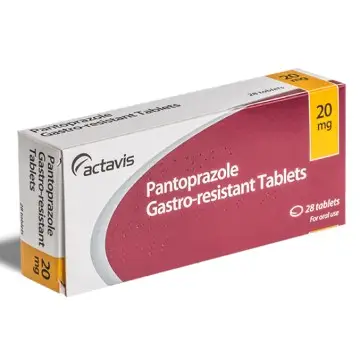
Images for illustrative purposes only
Looking for Next Day delivery?
Order before 15:30 on Monday to Friday for next day delivery
Pantoprazole
Pantoprazole is an effective proton pump inhibitor medication used to treat acid reflux symptoms, including heartburn and gastroesophageal reflux disease (GORD). It relieves symptoms by reducing the amount of stomach acid produced in the stomach. Pantoprazole is most effective when taken daily.
- Effective treatment for acid reflux and heartburn
Buy Pantoprazole 20mg/40mg Online
Pantoprazole helps to relieve symptoms of acid reflux, heartburn, and gastroesophageal reflux disease (GORD). It is taken once daily and is most effective when taken regularly. Depending on the severity of your symptoms, our online doctor can prescribe Pantoprazole 20mg or 40mg.
Pantoprazole tablets are part of a family of medicines called proton pump inhibitors (PPIs), which are effective treatments for acid reflux.
Start a consultation with our online doctor to buy Pantoprazole tablets in 20mg and 40mg dosages from Pharmacy Online. Our online pharmacist will prescribe the most appropriate dosage to support your symptoms.
When to Use Pantoprazole?
As a proton pump inhibitor (PPI), Pantoprazole can reduce the amount of acid in your stomach, which can be beneficial in treating the following conditions:
- Gastroesophageal Reflux Disease (GERD): GERD occurs when stomach acid backs up into your oesophagus, which can cause heartburn and damage the lining. Pantoprazole reduces the amount of acid your stomach produces, which helps to prevent this from occurring.
- Erosive Esophagitis (EE): Pantoprazole is beneficial as a short-term treatment for oesophagus inflammation and can also prevent relapses.
- Stomach Ulcers: Pantoprazole can also benefit stomach ulcers, especially when used in combination with other medications that eradicate Helicobacter pylori.
- Zollinger-Ellison Syndrome: Individuals with this condition have tumours that lead to excessive acid, but taking a PPI can manage the overproduction.
Age Restrictions
In most cases, Pantoprazole 20mg is suitable for adults and children over 12. However, your doctor or pharmacist will assess your symptoms and medical history before prescribing it.
How to Use Pantoprazole 20mg - 40mg?
When using Pantoprazole, please follow these instructions:
- Dosing: Most people take Pantoprazole once or twice daily. If you take it once, it's best to take it one hour before your meal. Twice-daily dosing instructions usually involve one dose in the morning and another during the evening.
- Swallow the Tablet: Please swallow your tablets whole with water, and don't chew or crush them.
- Amount: Please follow your doctor or pharmacist's instructions when taking Pantoprazole and never exceed the recommended daily dose.
- Treatment Duration: Some people take Pantoprazole for a short time, while others take it as a long-term treatment. Please follow your doctor's instructions.
When to Avoid Using Pantoprazole Tablets?
While Pantoprazole is generally a safe treatment, there are some cases where it may be best to avoid it. These include:
- Allergies: If you're allergic or sensitive to any of the ingredients in Pantoprazole, you should avoid using it.
- Other Medications: It's not a good idea to combine Pantoprazole with other medications that treat HIV-1, as it can impact their effectiveness.
- Drug PH Dependence: Certain antibiotics and antifungal medicines rely on stomach PH to work, and taking Pantoprazole can limit their effectiveness.
- Medical Conditions: If you have severe liver problems, your liver enzymes will need to be monitored and your daily dose should not exceed 20mg.
Precautions
Pantoprazole usually relieves reflux symptoms within 2 to 4 weeks, or at most after another 4 weeks. Your doctor will tell you how long to continue taking it, and you should seek medical advice if your symptoms continue.
In most cases, the medication isn't suitable for use during pregnancy unless your doctor advises otherwise, as it may pose risks to the baby.
Breastfeeding women should also seek medical advice before using Pantoprazole as it may cause harm to the baby.
Ingredients
Pantoprazole tablets contain the active ingredient of pantoprazole sodium sesquihydrate. Inactive ingredients vary depending on the manufacturer.
As with all treatments, there are some risks and side effects. However, these effects can range from minor to severe. If you experience any issues, please report them to your healthcare professional immediately, as they'll be able to tell you whether you should stop taking Pantoprazole.
Common side effects (may affect up to 1 in 10 people) include:
- Harmless (benign) polyps in the stomach
Uncommon side effects (may affect up to 1 in 100 people) include:
- Nausea
- Dry mouth
- Diarrhoea
- Abdominal pain
- Constipation
- Dizziness
- Headache
- Vomiting
There are some rare yet severe side effects associated with pantoprazole. If you experience any of these rare adverse effects, seek medical attention straight away:
- Joint pain along with a red skin rash, especially in parts of your body exposed to the sun, such as your arms, cheeks and nose.
- Stomach pain gets worse
- Yellowing skin
- Severe diarrhoea
It is possible to have a serious allergic reaction to this medicine. If you have:
- A skin rash that blisters, or peeling skin
- Difficulty breathing
- Trouble swallowing
You may be having a serious allergic reaction, and may require emergency treatment in hospital.
What are Pantoprazole tablets used to treat?
Pantoprazole belongs to a family of medicines known as proton pump inhibitors. It reduces the painful symptoms of acid reflux and prevents stomach ulcers. It's also used to treat heartburn and gastroesophageal reflux disease.
What is the difference between prescription and over-the-counter Pantoprazole?
You’ll find the same active drugs in both prescription and over-the-counter Pantoprazole, and both work in the same way. Over-the-counter medications may, however, contain a lower dose.
Is Pantoprazole safe to take?
Pantoprazole is a safe and approved medication. Long-term use of PPIs, including Pantoprazole, can, however, cause side effects.
When used for longer than 3 months, Pantoprazole can cause the body’s magnesium levels to fall. This can result in feelings of dizziness, muscle twitches, irregular heart rhythms, and shakiness.
Taking Pantoprazole for longer than 1 year can increase the risk of side effects, including bone fractures, gut infections and vitamin B12 deficiency.
For patients who have taken Pantoprazole for over a year, your doctor will likely take regular checks to ensure it is safe for you to continue use.
You should only use this medication long-term if advised by a healthcare professional.
How do I take Pantoprazole?
PPIs should be taken on an empty stomach, about 30 minutes to one hour before eating breakfast.
Who shouldn't take Pantoprazole?
Do not take pantoprazole if:
- You are allergic to pantoprazole, to any of the other ingredients of the tablets, or to other proton pump inhibitors
Talk to your doctor or pharmacist before taking pantoprazole if you:
- Have severe liver problems
- Are pregnant, think you may be pregnant, are planning a baby or are breastfeeding
How long will I have to keep taking Pantoprazole?
How long you take Pantoprazole depends on the condition being treated, and your doctor will tell you how long to continue. For reflux symptoms, one tablet a day usually brings relief within 2 to 4 weeks, or at most after another 4 weeks, and after this any symptoms that come back can be controlled by taking one tablet daily when required. Reflux oesophagitis is usually treated for 4 to 8 weeks. Some people take Pantoprazole long term, to stop reflux oesophagitis coming back or to prevent ulcers while taking NSAID painkillers.
If you forget to take pantoprazole, take your missed dose when you remember. Don't take a double dose to make up for the missed dose. Take your next dose at the usual time.
Can I drink alcohol when taking Pantoprazole?
The Pantoprazole leaflet does not list alcohol as an interaction. If you have any questions about drinking alcohol while taking it, ask your doctor or pharmacist.
What to eat when taking Pantoprazole?
You can continue to eat your usual diet when taking Pantoprazole. Pantoprazole tablets should be taken on an empty stomach in the morning, around 30 minutes to one hour before eating breakfast. Once taken, continue with your everyday diet as you normally would.
Can I take Pantoprazole with other medications?
Pantoprazole is known to cause interactions with other medicines, including antifungals, HIV treatments and blood thinners. Before taking Pantoprazole, you should inform your doctor if you're taking any of these, along with herbal remedies and supplements.
Does Pantoprazole start working straight away?
Pantoprazole won't provide immediate relief, and it can take a few days to begin working correctly. Some people may begin to notice the benefits within one to three days of usage, but you may be able to take antacids to speed up the treatment.
Is there a best time of day to take Pantoprazole?
Your pharmacist will recommend taking Pantoprazole in the morning, 30 minutes to one hour before your first meal. When you take it on an empty stomach, it improves the outcomes.
Leaflets
Before taking any medicines, regardless of whether they are over the counter or prescription-only, it is essential always to read the patient information leaflet.

