
Mounjaro Side Effects: Common, Serious & Long-Term
Learn about Mounjaro (tirzepatide) side effects - from common nausea and hair loss to rare risks like pancreatitis. Backed by FDA data and clinical trials.
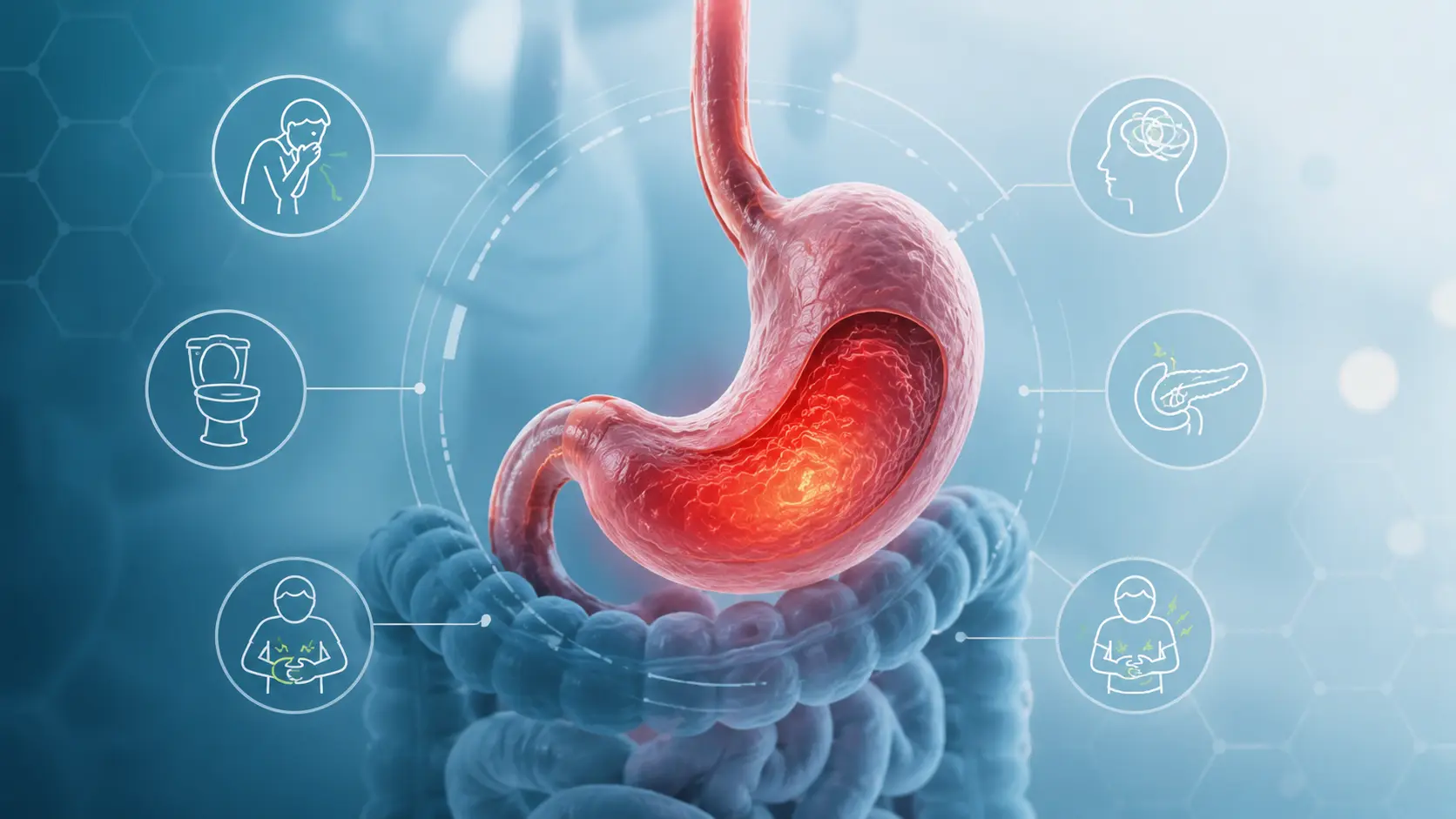
If you're considering medical weight-loss treatment, Mounjaro is one of the most popular options available. In this guide, we'll explore common Mounjaro side effects, potential interactions, and serious side effects to watch for so you'll be able to make an informed decision regarding Mounjaro injections.
Mounjaro (also known as tirzepatide) is a once-weekly injection that treats type 2 diabetes and offers weight management support [1,2,3].
As a dual GLP-1/GIP injection, it works differently to many other medicines, as it targets and activates both glucagon-like peptide-1 (GLP-1) and glucose-dependent insulinotropic polypeptide (GIP) hormone receptors [1,3].
By activating these hormones, Mounjaro can reduce your appetite, help your body produce insulin, and reduce cravings - all of which can help you lose weight.
As with all medications, there are some side effects to be aware of. Most impact the digestive system and improve once you get used to the medication and each dose increases.
However, some side effects can be serious, and they require immediate medical attention.
Common Side Effects of Mounjaro
Mounjaro is licensed by the MHRA (Medicines and Healthcare products Regulatory Agency) [4]. The common side effects experienced by users and identified by clinicians are reflected by findings from the SURPASS/SURMOUNT clinical trial programmes [1,5].
Studies show that gastrointestinal symptoms are most frequently reported, and they can range in severity. In most cases, these side effects were worse when patients began treatment, and during every dose increase [1,5]:
- Nausea
- Diarrhoea
- Constipation
- Decreased appetite
- Indigestion
- Abdominal pain
- Burping and flatulence
- Heartburn
Mounjaro and Nausea
Nausea is the most common side effect reported by Mounjaro users. Research shows that around 1 in 5 people experience nausea, and it usually occurs at the beginning of treatment and when increasing doses [6].
The medication slows down stomach emptying processes, which can help you feel fuller for longer - but it can also cause nausea.
The best way to reduce symptoms is to eat smaller portions more frequently, avoid spicy and fatty foods, stop eating when you feel satisfied rather than full, and remain upright for half an hour after eating.
Mounjaro and Diarrhoea
Because Mounjaro alters how food moves through your digestive system, diarrhoea is common when you first start using the injections. Most episodes are mild and resolve when your body adjusts to the medication, but there are steps you can take to reduce symptoms.
Focus on consuming easy-to-digest foods and avoid anything that might upset your stomach. Stay hydrated and drink plenty of water throughout the day.
If your diarrhoea persists or gets worse, you should seek medical attention.
Mounjaro and Vomiting
Vomiting can coincide with nausea when starting treatment or moving to a higher Mounjaro dose. While occasional vomiting is normal, some people experience worse episodes than others.
You can reduce episodes by avoiding large meals, eating slowly, and sipping fluids instead of drinking large quantities.
If you experience frequent vomiting over 24 hours and can't keep any food or fluids down, please see your GP.
Mounjaro and Constipation
Constipation can also be a side effect of Mounjaro, because the slower stomach emptying can reduce movement through the bowel. Some people may also find that they cycle between diarrhoea and constipation.
You can reduce the risk of constipation by drinking plenty of water, following a high-fibre diet, and staying active. A healthcare professional can offer advice and treatment if you experience persistent constipation.
Mounjaro and Decreased Appetite
Reduced appetite is one of the main reasons people use Mounjaro, so it's not a traditional side effect. Because the treatment increases satiety, it can decrease hunger between meals, reducing the risk of snacking and exceeding your recommended calorie intake.
Reducing portion sizes and eating smaller meals throughout the day ensures you meet your nutritional requirements.
Mounjaro and Indigestion / Dyspepsia
Indigestion and bloating are common side effects of Mounjaro because it slows the rate at which food leaves your stomach.
Many people find that consuming smaller meals and avoiding rich/fatty foods can reduce their discomfort.
Mounjaro and Abdominal Pain
Mild abdominal pain and cramping can occur when you begin using Mounjaro, as it takes time for the digestive system to adapt. While general discomfort is expected, you should seek urgent medical advice if you experience frequent vomiting and the pain spreads to your back.
Mounjaro and Burping/Flatulence
When food stays in the stomach for longer, it often increases the chances of burping and flatulence. Both of these symptoms are usually mild, and they'll decrease as the treatment plan progresses.
However, avoiding carbonated drinks, eating slowly, and gentle movement after meals can reduce your symptoms.
Mounjaro and Heartburn
Heartburn and acid reflux are common concerns because there is a higher chance of stomach acid moving into your oesophagus. Again, you can reduce your symptoms by sitting upright after meals, limiting spicy foods, and getting antacids from your GP or a registered pharmacist.
Note: While Mounjaro side effects are expected when beginning treatment and during each dose increase, titration can reduce this. That's why it's vital to stick to the recommended dosage.
Mounjaro Injection Site Reactions
1 in 10 people may experience injection site reactions, which include swelling, itching, and redness at the injection site [1].
These side effects are usually short-term and resolve themselves, but it's a good idea to rotate sites between the abdomen, thighs, and arms each week.
Ensuring that the pen is at room temperature before injecting the medication can also reduce reactions.
Mounjaro and Hair Loss
SURMOUNT studies confirm that 4-5% of patients experience some form of hair loss, with higher occurrences among women, compared with about 1% on placebo [5,7]. The MHRA and the licensed product information list alopecia as a possible side effect (up to around 1 in 10 users at higher doses) [1,4].
The main reason for hair loss is a temporary hair shedding response (telogen effluvium), which occurs when the body experiences metabolic stress, rapid weight loss, or a calorie deficit [7].
In most cases, hair thinning and loss begin within 2-3 months of starting treatment and will reverse once your weight stabilises (usually within 3-6 months).
You can minimise hair loss by following your treatment plan and getting optimal nutrition - including plenty of protein. Vitamin and mineral supplements can also help prevent deficiencies.
If the hair loss is severe, your GP may refer you to a dermatologist.
Important Interactions: Contraceptive Pill and HRT
Mounjaro can also impact the absorption of oral medications, including HRT and the contraceptive pill. Research shows that Mounjaro can lower hormone absorption by up to 66%, which means the pill might not be enough to prevent pregnancy [8].
For this reason, specialists advise taking extra precautions, including using condoms and other contraceptives.
There are also absorption issues with HRT treatments, but you can reduce the risks by switching to gels and patches, as they're absorbed through the skin.
Surgical Procedures
If you have surgery planned - including general or local anaesthetics - it's essential to inform the medical team before the procedure, as the slower gastric emptying can lead to the contents of your stomach moving into the lungs.
The pre-operative assessment team will determine whether your dosage needs to be modified.
Serious Side Effects of Mounjaro
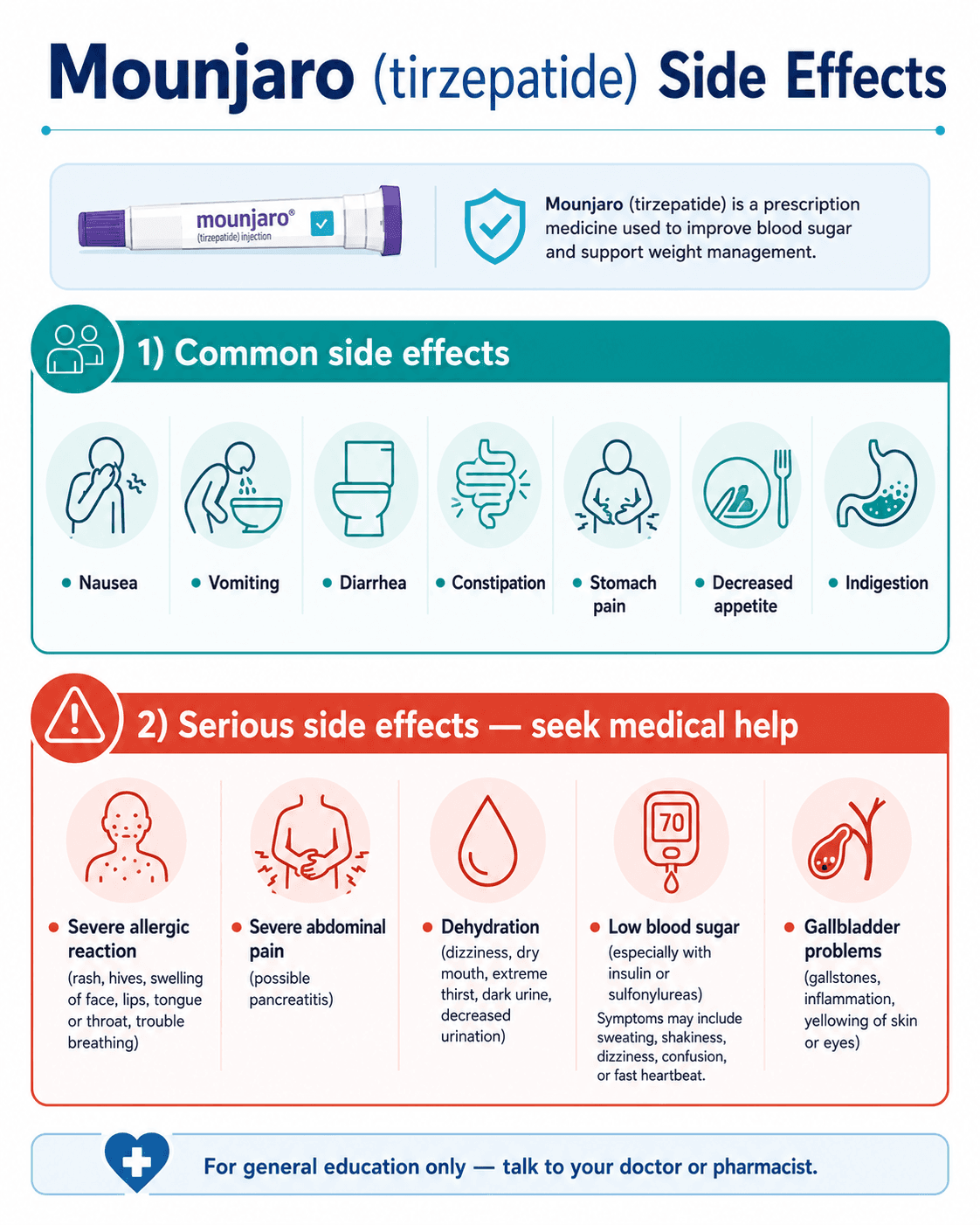
Serious side effects are less common, but they often require medical attention. Understanding potential complications ensures that you can take action immediately.
Mounjaro and Pancreatitis
While incredibly rare, there have been documented cases of pancreatitis in the UK. Studies show that the risk of pancreatitis with Mounjaro use is around 1% (NIH), acute pancreatitis is listed as a rare side effect in the product information [1,9].
Stay vigilant and take immediate action if you experience any symptoms of pancreatitis. These include nausea, vomiting, and abdominal pain that spreads to the back.
You should stop the injections immediately and either call NHS 111 or go to your local A&E department.
Mounjaro and Gallbladder Disease / Gallstones
Some people may experience gallbladder inflammation and gallstones when using tirzepatide [1]. The complications usually occur when you lose a lot of weight quickly, because it alters bile substances and can limit the gallbladder's ability to empty.
When this happens, it can lead to the formation of gallstones. The symptoms of gallstones include ongoing pain in the upper right abdomen, pain beneath your ribs and towards the right shoulder, nausea, pale stools, vomiting, and fever.
If you notice these symptoms, contact your GP. However, if the pain is severe and you're frequently vomiting, please seek instant medical attention.
Mounjaro and Hypoglycemia (Low Blood Sugar)
Mounjaro alone doesn't usually cause low blood sugar, but it can when it's combined with insulin or a sulphonylurea [1].
You may notice symptoms such as excessive hunger, confusion, shakiness, a rapid heartbeat, and sweating. Your healthcare team may need to adjust your other diabetes medications to reduce these symptoms and regulate blood sugar levels.
Mounjaro and Severe Allergic Reactions
While mild irritation at the injection site is common, severe allergic reactions - such as widespread rash, breathing difficulties and swelling of the throat and face - are a medical emergency [1]. Call 999 immediately.
Mounjaro and Euglycaemic Ketoacidosis (Starvation Ketoacidosis)
Some case reports have linked tirzepatide to Ketoacidosis, but it's not currently an established side effect [10]. The condition is rare and mostly associated with non-diabetic users. It can occur with severe appetite suppression, low carbohydrate intake, and if you experience severe diarrhoea and vomiting.
Because the blood glucose levels can be mildly elevated or normal, the condition is challenging to recognise. The symptoms of starvation ketoacidosis include:
- Fatigue and weakness
- Vomiting and nausea
- Breathing difficulties
- Abdominal pain
- Acetone or fruity breath
- Drowsiness and confusion
- Being unable to drink and eat
If you notice any of these symptoms, you should make a GP appointment or call 111. However, if you have diabetes, or are experiencing breathing difficulties, you should call 999 or visit the A&E department.
Mounjaro and Thyroid Tumours
While there's no conclusive evidence to suggest that Mounjaro can cause thyroid cancer and tumours in humans, animal studies linked the treatment to thyroid C-cell tumours (medullary thyroid carcinoma, MTC) [1,11].
For this reason, the treatment is unsuitable if your personal or family medical history includes MTC or MEN 2 (Multiple Endocrine Neoplasia syndrome type 2).
If you notice shortness of breath, problems swallowing, a hoarse voice, or a lump in your neck, please tell your doctor immediately.
Long-Term and Emerging Side Effects of Mounjaro
Because Mounjaro was licensed for use in the UK in 2022, there's limited data on its potential long-term safety. Eli Lilly and the UK government are addressing this by funding SURMOUNT-REAL UK, a five-year clinical trial [12].
The study will assess Mounjaro's safety and evaluate findings from global research, including elevated heart rates, kidney problems caused by dehydration, and small bowel obstructions.
If you use a private service to access Mounjaro, you may be at higher risk of undetected side effects.
Who Is at Higher Risk of Side Effects Of Mounjaro?
Some people may be more at risk of Mounjaro side effects than others [1,5]. These include:
- Women: More women report vomiting, hair loss and nausea than men in studies.
- Dose Escalation: Most people notice more side effects when they increase their dosage.
- Insulin: If you're taking insulin or sulphonylureas, there's a heightened risk of hypoglycaemia.
How to Manage Mounjaro Side Effects?
Mounjaro side effects are usually manageable with lifestyle changes. Here are some actionable tips to implement when you're taking Mounjaro:
- Focus on low-fat meals and eat slowly. Drink plenty of water and herbal teas instead of fizzy drinks.
- Plan your diet around dose escalations to reduce potential symptoms.
- Rotate your injection site each week to minimise discomfort.
- Ask your GP to test your nutrient levels and identify deficiencies if you experience hair loss.
How to Report a Side Effect in the UK?
If you experience ongoing side effects, please either call 111 or contact your GP. The MHRA Yellow Card Scheme allows - and encourages - people to report any side effects. This ensures the safety of Mounjaro and can flag uncommon side effects [15].
Please use this link to make a report.
References
- Electronic Medicines Compendium (emc). Mounjaro (tirzepatide) KwikPen - Summary of Product Characteristics. Eli Lilly and Company. Available at: https://www.medicines.org.uk/emc/product/15481/smpc
- Diabetes UK. Mounjaro (tirzepatide): uses, how it works and side effects. Available at: https://www.diabetes.org.uk/about-diabetes/looking-after-diabetes/treatments/tablets-and-medication/glp-1/mounjaro
- British National Formulary (BNF), NICE. Tirzepatide - indications, dose and cautions. Available at: https://bnf.nice.org.uk/drugs/tirzepatide/
- Medicines and Healthcare products Regulatory Agency (MHRA). Medicines regulation and safety. Available at: https://www.gov.uk/government/organisations/medicines-and-healthcare-products-regulatory-agency
- Tirzepatide and the SURPASS/SURMOUNT trial programme: efficacy and safety review. PMC (PMC10088547). Available at: https://pmc.ncbi.nlm.nih.gov/articles/PMC10088547/
- Gastrointestinal adverse events with GLP-1/GIP receptor agonists: incidence of nausea with tirzepatide. PMC (PMC12469573). Available at: https://pmc.ncbi.nlm.nih.gov/articles/PMC12469573/
- Alopecia as an emerging adverse effect associated with GLP-1 receptor agonists for weight loss: a scoping review. PMC (PMC12431796). Available at: https://www.ncbi.nlm.nih.gov/pmc/articles/PMC12431796/
- Community Sexual and Reproductive Healthcare (CoSRH). Guidance on oral contraceptive use with GLP-1 agonists (tirzepatide and semaglutide). Available at: https://www.cosrh.org/Common/Uploaded%20files/documents/Guidance%20on%20oral%20contraceptive%20use%20with%20GLP-1%20agonists%20tirzepatide%20and%20semaglutide.pdf
- Acute pancreatitis associated with tirzepatide: case data and estimated risk. PMC (PMC12707267). Available at: https://pmc.ncbi.nlm.nih.gov/articles/PMC12707267/
- Euglycaemic (starvation) ketoacidosis linked to tirzepatide: case report. PMC (PMC12121683). Available at: https://pmc.ncbi.nlm.nih.gov/articles/PMC12121683/
- Tirzepatide and thyroid C-cell tumours (medullary thyroid carcinoma) in animal models. PubMed (PMID 40578060). Available at: https://pubmed.ncbi.nlm.nih.gov/40578060/
- Health Research Authority (HRA). SURMOUNT-REAL UK - five-year real-world safety study of tirzepatide. Available at: https://www.hra.nhs.uk/planning-and-improving-research/application-summaries/research-summaries/surmount-real-uk_i8f-mc-gpjf/
- National Institute for Health and Care Excellence (NICE). Tirzepatide for managing overweight and obesity - Technology appraisal guidance TA1026. Available at: https://www.nice.org.uk/guidance/ta1026
- NHS England. Weight-management injections: eligibility and access to tirzepatide (Mounjaro). Available at: https://www.england.nhs.uk/ourwork/prevention/obesity/medicines-for-obesity/weight-management-injections/
- MHRA Yellow Card Scheme. Report a suspected side effect to a medicine. Available at: https://yellowcard.mhra.gov.uk/
Frequently Asked Questions
How long do Mounjaro side effects last?
Common Mounjaro side effects typically last for a few weeks when you begin treatment and after each dose increase. Most people find these effects manageable, but if your symptoms persist or they're severe, you should seek medical support.
Does Mounjaro cause hair loss?
Mounjaro can cause hair loss and thinning in some people, but this is more often due to rapid weight loss than to the medication itself. The condition usually corrects itself once your weight stabilises [7].
What are the most serious side effects of Mounjaro?
The most serious side effects of Mounjaro include severe abdominal pain, pancreatitis, kidney damage, and gallbladder disease. You can find more information about these symptoms in the patient information leaflet[1].
Can Mounjaro cause stomach paralysis (gastroparesis)?
Yes, there's a small risk of this because the medication slows your stomach's emptying. Most people experience milder symptoms like bloating, constipation, and acid reflux rather than complete stomach paralysis.
Is Mounjaro safe for non-diabetics?
Yes, as long as you meet the eligibility criteria and a healthcare professional says it's safe to use. The medication is recognised as a suitable treatment for people with a BMI of 30+ or 27 and obesity-related health conditions [13,14].
What should I do if side effects are severe?
If your side effects are severe while taking Mounjaro, you should seek immediate medical advice. Your prescriber may reduce your current dose or extend the interval between doses.


You might also like

Mounjaro Doses: The Complete Mounjaro Dosage Chart and Titration Guide
Mounjaro is a once-weekly weight loss injection that comes in six different dose strengths. Each Mounjaro dose is administered with the KwikPen, and you begin with the lowest dose, gradually increasing it weekly until you reach your optimal maintenance dose (titration).

What is Tirzepatide? How It Works, Side Effects & What to Expect
Tirzepatide is a weekly injection that can help you lose weight. Learn how tirzepatide works, how to take it, the side effects and more in our complete guide.

What to Expect From Our Online Weight Loss Service
Thinking about using our online weight loss service? Find out what happens at each stage, from first consultation through to ongoing check-ins and support.