
Does Mounjaro Cause Hair Loss?
Alcohol is not banned on Mounjaro, but it can worsen nausea and affect blood sugar. What the risks are, who needs extra care, and when to ask your prescriber.
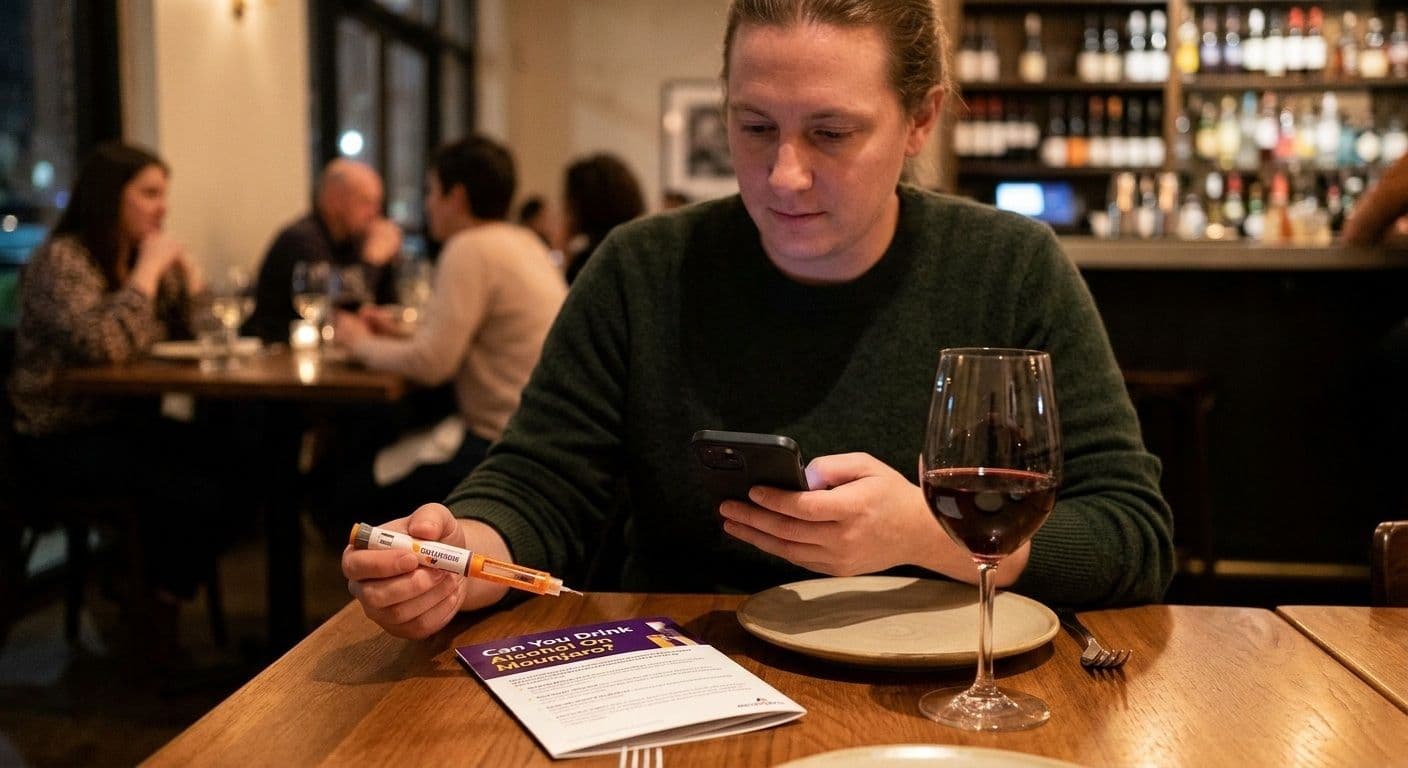
There's no complete ban on consuming alcohol while you're using Mounjaro (tirzepatide). However, drinking can make the side effects of Mounjaro - including vomiting, dehydration, and nausea - easier to manage.
If you use insulin or a sulfonylurea such as gliclazide, alcohol can impact your blood sugar levels. Plus, the extra calories can affect your weight-loss progress.
So, if you have a special occasion like a wedding, holiday, or a simple meal out coming up, it's not about whether alcohol is allowed. Instead, it's about how much you drink, whether you're taking other medicines, if you've eaten, and how well you tolerate Mounjaro.
In this guide, we'll provide information about drinking alcohol while using tirzepatide. However, you should speak to your prescriber or pharmacist for personalised advice regarding alcohol intake.
What Changes When You Drink Alcohol On Mounjaro (tirzepatide)?
There's no listed interaction between alcohol and Mounjaro in the UK prescribing information, but it's important to remember that tirzepatide delays gastric emptying, causes gastrointestinal side effects, and reduces your appetite. Drinking alcohol might feel different than before you began treatment.
Tirzepatide is both a GLP-1 and GIP receptor agonist. Because it delays gastric emptying (when food moves from the stomach to the small intestine), the UK Summary of Product Characteristics (SmPC) outlines that it can impact how your body absorbs oral medicine.
The effects are more pronounced when treatment begins and during dosage increases (NIH). However, this doesn't prove that tirzepatide alters ethanol absorption, as the SmPC refers only to oral medicines.
| What may be different | Why it matters |
|---|---|
| Gastric emptying is slower | Stomach contents remain there for longer |
| You may eat less | You may have less food in your stomach when drinking |
| Your stomach may be more sensitive | Mounjaro already commonly causes gastrointestinal symptoms |
| Other diabetes medicines may be involved | Insulin and sulfonylureas can substantially change the hypo ris |
So, you should think about three different issues:
- Blood glucose
- Gastrointestinal symptoms
- How much alcohol you consume
There's no conclusive evidence to say that everyone using Mounjaro will become intoxicated quicker than before, but your previous tolerance levels might not be useful indicators if you're eating less than you did before treatment.
What About Low Blood Sugar?
If you're also using insulin or an insulin secretagogue such as a sulfonylurea, the risk of hypoglycaemia increases, and the weight-loss medication's SmPC provides specific warnings about this combination.
Consuming alcohol can cause additional problems, as the liver focuses on processing alcohol, which can impact its ability to release stored glucose when your blood sugar levels are decreasing.
Alcohol creates an additional problem because the liver prioritises processing alcohol, reducing its ability to release stored glucose when blood glucose is falling. Warnings from Diabetes UK clearly state that alcohol can increase your risk of hypoglycaemia when using sulfonylureas or insulin.
When blood glucose levels fall below 4 mmol/L, this generally symbolises a hypo. Common symptoms might include hunger, palpitations, sweating, shaking, and problems concentrating.
Plus, when you drink alcohol, you might confuse the symptoms of hypoglycaemia with being drunk.
It's advisable to speak to your pharmacist or diabetes treatment team for personalised advice about drinking safely and monitoring your blood glucose levels.
Why Does Alcohol Make Nausea Worse On Mounjaro?
Mounjaro is recognised for gastrointestinal side effects including vomiting and nausea, but alcohol can also irritate the digestive system. So, drinking alcohol when you're using Mounjaro can make your digestive symptoms worse.
Some people may also develop abdominal distention, GERD (Gastroesophageal reflux disease), and dyspepsia. The SmPC says that gastrointestinal effects are typically worse during dose escalations, and you should be cautious about adding alcohol in these cases.
Alcohol comes with an increased risk of dehydration - especially if Mounjaro is already causing diarrhoea and vomiting, or your appetite is reduced.
With the established effects of tirzepatide, drinking the same amount as you did before beginning your weight loss journey may have more pronounced symptoms.
| May cause more trouble | Why |
|---|---|
| Fizzy alcoholic drinks | Carbonation can contribute to bloating |
| Sugary cocktails and liqueurs | Add sugar and calories alongside alcohol |
| Large or strong drinks | Increase the amount of alcohol consumed per serving |
| Drinking without food | Can increase alcohol-related risks, particularly with diabetes |
| Lower-alcohol or alcohol-free alternatives | Reduce or remove the alcohol exposure, although carbonation and sugar may still trigger symptoms |
Please note that these are general principles, not proven studies. However, eating before you drink alcohol and alternating alcoholic drinks with water or non-alcoholic drinks can reduce the risks.
Frequent vomiting, an inability to retain fluids, and severe abdominal pain shouldn't automatically be thought of as a Mounjaro hangover.
Does Drinking Alcohol Slow Weight Loss on Mounjaro?
Alcohol doesn't switch off Mounjaro's GIP and GLP-1 activity, but alcohol affects your calorie intake, which can make weight loss more complicated:
- The Calories: Alcohol has 7 calories per gram on average, but this doesn't include the added calories from mixers or other ingredients.
- Appetite: It's a known fact that alcohol impacts your food choices. Research shows that people are more likely to crave and consume high-sugar, high-calorie foods when they drink, which can limit weight-loss progress (PubMed).
However, there's no conclusive evidence to say that alcohol will pharmacologically switch off the effects of tirzepatide. One night out of light to moderate drinking won't stop the treatment from working, but regular or heavy drinking can limit your ability to lose weight.
UK guidance says that men and women who drink regularly should keep their consumption to 14 units per week, spread across at least three days. This is classed as low-risk rather than risk-free drinking (NHS).
Which Factors Make Drinking On Mounjaro Riskier For Me Specifically?
Your individual risk profile depends on multiple factors, not just your Mounjaro dose. These include whether you're taking other medications to manage diabetes, your alcohol use, dietary choices, and whether you have an existing medical condition.
| Factor | Why it raises concern | What to do |
|---|---|---|
| Insulin or a sulfonylurea | Increases hypo risk | Speak to your diabetes team about drinking and glucose monitoring |
| Drinking without eating | May increase alcohol-related hypo risk | Eat before drinking, rather than on an empty stomach |
| Heavy drinking in one session | Increases several alcohol-related risks | Drink less, slowly and with food |
| Recent Mounjaro dose increase | GI effects can be more noticeable during dose escalation | Be especially cautious if you experienced increased nausea or vomiting |
| Previous pancreatitis | Tirzepatide requires caution in people with this history | Discuss alcohol with your prescriber |
| Current vomiting or diarrhoea | Increases dehydration risk | Avoid adding alcohol and seek advice if symptoms continu |
Each of these factors can also stack. For example, if someone taking gliclazide with an increased Mounjaro dose eats less but drinks alcohol, they have multiple risk factors that operate at once.
Who Needs To Be Most Careful About Drinking On Mounjaro?
People with a history of pancreatitis, gallbladder issues, or individuals using a sulfonylurea or insulin need to be particularly careful when drinking alcohol.
- Sulfonylureas and Insulin: If you use other diabetes treatments, there's a higher risk of hypoglycaemia. It's best to speak to your treatment team for advice, instead of skipping or changing doses to accommodate drinking.
- Gallbladder and Pancreas Problems: Tirzepatide isn't recommended for people with a history of pancreatitis, gallstones, or gallbladder inflammation (cholecystitis).
If you have a history of gallbladder disease, gallstones, pancreatitis, or a digestive disorder, please speak to your prescriber as the drinking advice might be different.
If Controlling Your Drinking Is Difficult
If you're a heavy drinker or experience alcohol cravings, you should inform your prescriber. They can offer personalised advice and discuss the risks.
People with a physical alcohol dependence shouldn't stop without medical guidance, as it can cause dangerous symptoms. Your healthcare provider can refer you to local alcohol support services.
Should You Time Your Mounjaro Injection Around Drinking?
No official waiting period says you should wait a set amount of time between drinking alcohol and Mounjaro injections.
But it's important to consider how you feel, whether your dosage has increased, whether you're taking medicines that lower your glucose levels, and what you eat.
While the UK prescribing information doesn't give an alcohol-specific interval after each injection, it does clearly say that gastrointestinal effects often increase during dose escalations.
Because Mounjaro is a once-weekly injection, you can change your dose when there are at least three days between doses, but if you miss a dose and it's been four days, you should skip the missed dose.
However, these are general instructions for managing your treatment and not guidelines for drinking. You should never skip an injection because you want to drink.
Tips Before Drinking:
- Eat before you plan on consuming alcohol.
- Alternate alcohol with water.
- Think about the side effects you're currently experiencing on your current dose.
- Monitor your blood glucose levels when using other diabetes treatments.
- Ensure you're with someone who knows how to recognise a hypo if there's a risk.
When To Speak To Your Prescriber Or Pharmacist
If you're using insulin, a sulfonylurea, or medications that lower glucose, speak to your pharmacist. People with a history of gallbladder or pancreas problems should also seek advice.
| Who to contact | When |
|---|---|
| Pharmacist | General questions about alcohol, Mounjaro and your other medicines |
| Prescriber/diabetes team | Recurrent hypos, troublesome side effects, dose changes or questions about altering your dosing schedule |
| NHS 111/urgent medical care | Symptoms that need urgent assessment, including persistent vomiting/dehydration or severe ongoing abdominal pain |
| 999 | A medical emergency, including severe hypoglycaemia involving unconsciousness or seizures |
Healthcare professionals and patients can report all suspected side effects of Mounjaro to the MHRA Yellow Card scheme.
Frequently Asked Questions
Can I have one drink while taking Mounjaro?
Mounjaro prescribing information doesn't ban a single alcoholic drink, but your personal circumstances matter. If you're using diabetes medicines, are experiencing vomiting or nausea, or have an existing medical condition, you should ask your prescriber for advice.
Is there a direct interaction between Mounjaro and alcohol?
No, the UK Mounjaro SmPC doesn't list alcohol as a specific interaction, but it does confirm that tirzepatide causes gastrointestinal side effects such as delayed gastric emptying. Combining Mounjaro with other diabetes treatments increases the risk of hypoglycaemia.
How long after my Mounjaro injection can I drink?
There's no set time you should wait before drinking after a Mounjaro injection, so you should think about how well you tolerate the medication and factor in things like dose increases.
Should I skip or move my injection if I'm going to a party?
No, you should never skip a dose because you want to drink alcohol, as Mounjaro has rules that cover missed doses.
I drank alcohol on Mounjaro and felt very unwell — is that dangerous?
Symptoms like acid reflux, vomiting, and nausea can cause you to feel unwell, but they're not usually medical emergencies. But if you experience severe abdominal pain, unconsciousness, persistent vomiting, and seizures, you should seek immediate medical advice.
Can I binge drink on Mounjaro?
Binge drinking isn't recommended in general, as it can increase the risk of multiple side effects. However, using tirzepatide can cause a range of gastrointestinal symptoms, and drinking can make it worse.
Are alcohol-free or low-alcohol drinks a better option?
Yes, they can be if you want to reduce your alcohol consumption. However, these drinks may still contain some alcohol, and they're usually high in sugar. Carbonated alcoholic drinks may also worsen bloating and reflux, so you may still experience side effects even if you avoid alcohol completely.
Does Mounjaro make me get drunk faster?
There's no sufficient evidence to suggest that Mounjaro can make you drunk faster, but tirzepatide delays gastric emptying, which might mean that you eat less, and this can impact your alcohol tolerance levels.


Related articles
Mounjaro Doses: The Complete Mounjaro Dosage Chart and Titration Guide
Mounjaro is a once-weekly weight loss injection that comes in six different dose strengths. Each Mounjaro dose is administered with the KwikPen, and you begin with the lowest dose, gradually increasing it weekly until you reach your optimal maintenance dose (titration).

How to Inject Mounjaro: Our Step-by-Step Guide
Step-by-step guide to injecting Mounjaro with the KwikPen. Covers injection sites, technique, priming, sharps disposal, and what to do if something goes wrong.
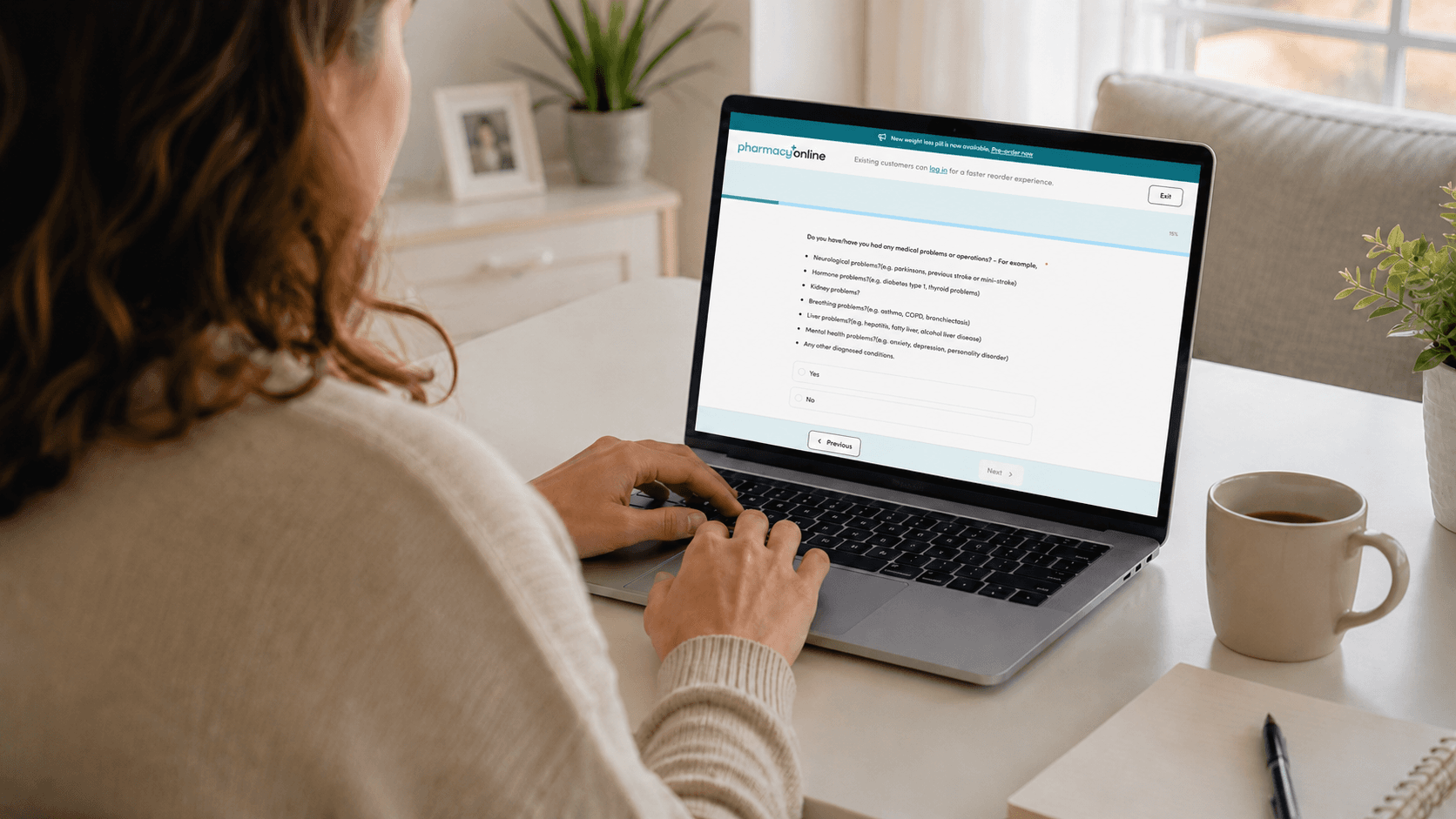
What to Expect From Our Online Weight Loss Service
Thinking about using our online weight loss service? Find out what happens at each stage, from first consultation through to ongoing check-ins and support.