
Is Mounjaro Safe? UK Safety Guide 2026
Mounjaro is safe for most adults, as long as it's prescribed by a professional and used under medical supervision. However, there are some serious side effects.

Mounjaro is safe for most adults, as long as it's prescribed by a professional and used under medical supervision. As with all medications, Mounjaro underwent extensive clinical trials to determine its safety and is licensed by the MHRA for weight management and diabetes [3].
The SURPASS [1] and SURMOUNT [2] clinical trials tested Mounjaro's safety in thousands of patients. Both found that the medication can cause side effects, but most are mild and will improve over time.
However, there are some serious side effects, and Mounjaro isn't safe for everyone. In this guide, we'll cover safety data around Mounjaro, which groups should avoid it, and the potential side effects.
How the MHRA Assessed Mounjaro's Safety?
Mounjaro was officially licensed as a type 2 diabetes treatment in September 2022 by the Medicines and Healthcare Products Regulatory Agency [3]. The MHRA then licensed it for use in November 2023.
This decision wasn't taken lightly, with safety advice from the CHM (Commission on Human Medicines) [4] and randomised, double-blind, placebo-controlled clinical trials guiding the MHRA.
The SURMOUNT-1 trial assessed 2,359 adults without type 2 diabetes over 72 weeks, while SURMOUNT-2 assessed 938 adults with the condition over 72 weeks [2].
The weight-loss medication also secured NICE approval for type 2 diabetes in October 2023 (TA924) and for weight loss in December 2024 (TA1026) [6].
It's also important to note that the MHRA's Yellow Card system involves ongoing post-marketing surveillance [7]. All prescribers must perform a full clinical assessment before prescribing Mounjaro, and it cannot be purchased over the counter.
What Clinical Trials Tell Us About Safety?
Mounjaro has been studied extensively in tens of thousands of patients, thanks to the SURMOUNT [2] and SURPASS [1] trials. Both of which provided key insights as to whether Mounjaro is safe for weight loss and type 2 diabetes.
Side effects were common, with 30-40% of patients reporting nausea. However, in most cases it was mild, and patients noted that the side effects resolved without medical support. About 6-8% of patients stopped treatment before the full trial period ended, which is a relatively small proportion [2].
Serious Side Effects:
Serious side effects were rare, and the research found that they occurred at rates comparable to those in placebo users.
The primary concern surrounding Mounjaro is the risk of pancreatitis, which occurred in around 0.32–0.39% of patients. Again, causality couldn't be established because these rates were similar to those in the placebo groups [2].
A Surrey and Sussex Healthcare NHS Trust Audit confirmed this by reviewing 222 pancreatitis admissions between 2024 and 2025. The pancreatitis rates were low among tirzepatide users [8].
The SURMOUNT-1 extension followed patients for 3.4 years (176 weeks) and found no new major safety signals [2].
FAERS Adverse Event Database
The FAERS adverse event database offers real-world pharmacovigilance data. A 2022-2025 analysis found gastrointestinal events, dehydration-related complications, and medication errors as the primary risks - all of which can be managed with proper clinical supervision [9].
Common Side Effects of Mounjaro
Side effects are common when you first start Mounjaro or increase your dosage, but most are mild. These include reduced appetite, nausea, injection site redness, abdominal pain, vomiting, diarrhoea, and constipation.
There is also a risk of hair loss, but this is caused by rapid weight loss rather than the medication itself. Telogen effluvium is a temporary condition, and the hair loss is reversible.
All of these side effects show that Mounjaro is doing what it's designed to do: regulate your appetite and slow gastric emptying. Starting at the lowest dose, rotating injection sites, and following your prescriber's advice is key to managing and reducing the effects.
Learn more about Mounjaro side effects.
Rare But Serious Risks of Mounjaro
It's important to mention the potential severe side effects of Mounjaro. These are rare, but knowing what they are can help you identify any issues and seek immediate medical advice.
Pancreatitis
There were 0.32-0.39% cases of pancreatitis in clinical trials, which was similar to the placebo group [2]. The symptoms include nausea, vomiting, and sudden abdominal pain that spreads to the back.
If you experience these symptoms, stop your injections and call NHS 111 or go to your local A&E department immediately.
Gallbladder Problems
A rapid reduction in body weight increases the risks of gallstones. The clinical trials conducted showed that around 2% of patients experienced gallbladder problems, with symptoms including jaundice, fever, and pain in the upper right abdomen (most commonly after eating) [2].
Hypoglycaemia
Hypoglycaemia (lower blood sugar levels) can occur, but these risks are significantly lower for users without diabetes. If you're taking insulin or sulphonylureas, your prescriber may need to adjust your doses.
Severe Allergic Reaction (anaphylaxis)
Allergic reactions are rare, but they warrant immediate medical support. The symptoms include severe skin reactions, breathing difficulties, and throat/facial swelling. It's vital to call 999 immediately.
Euglycaemic Ketoacidosis
Some reports of Euglycaemic Ketoacidosis exist in the UK, but these are primarily in non-diabetics who don't get adequate fluid and food due to nausea and vomiting. If your side effects mean you can't eat or drink for 24 hours, please see your GP or call 111.
Thyroid tumours (MHRA boxed warning)
While Mounjaro has a warning about thyroid C-cell tumours (MTC or carcinoma), these warnings are based on animal studies, and the potential impact on humans is unknown [10].
However, individuals with a personal or family history of thyroid cancers - Multiple Endocrine Neoplasia (MEN 2) or MTC - should avoid the weight loss injections.
Who Should NOT Take Mounjaro?
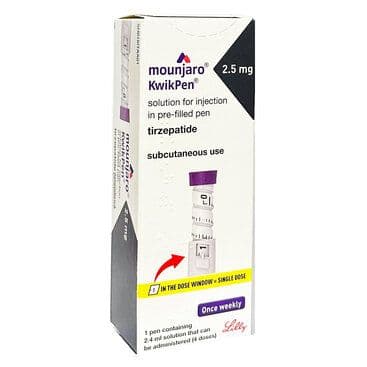
While the weight-loss treatment is generally safe, there are some cases in which you should avoid using it. These include:
- A family history or personal history of MTC or MEN2.
- Hypersensitivity or an allergy to any of the ingredients in Mounjaro.
- Breastfeeding women, as there are concerns that Mounjaro can pass through the breast milk (although this isn't conclusive).
You should never use Mounjaro when pregnant. If you're planning to become pregnant, you should stop using it at least 1 month before.
However, many prescribers recommend stopping 2-3 months in advance. If you become pregnant while using Mounjaro, stop immediately and contact your healthcare professional.
Precautions
Before being prescribed Mounjaro, it's essential to let healthcare professionals know if you have any of the following:
- Gastrointestinal conditions and inflammatory bowel disease.
- A history of pancreatitis - even if it was a long time ago.
- Gastroparesis, as Mounjaro can worsen your symptoms.
- Kidney or liver impairments, as there's limited data surrounding the potential effects.
- Diabetic retinopathy, as you'll need to be monitored.
If you're using diabetes treatment like insulin or sulphonylurea, your medication may need adjusting to prevent the risks of hypoglycaemia.
Mounjaro is also unsuitable for:
- Individuals under 18 as a weight loss treatment, but it's licensed for type 2 diabetes in children over 10.
- Anyone who hasn't undergone an assessment that includes a full medical history check.
Is Mounjaro Safe in Pregnancy and If You're Trying to Conceive?
No, Mounjaro isn't safe in pregnancy due to a lack of data. Animal studies highlighted potential foetal development risks, and the MHRA advises stopping at least a month before you plan to become pregnant - although 2-3 months is the optimal time [11].
If you become pregnant while using Mounjaro, stop taking it immediately and get advice from a healthcare professional.
There's also insufficient data to suggest whether Mounjaro is safe for breastfeeding women.
Contraceptive Pill
In June 2025, the MHRA released guidance that women using Mounjaro for weight loss should use a non-oral method of contraception as the medication can impact your ability to absorb the pill. It's also advisable to use extra contraception for four weeks after each dose increase [12].
Is Mounjaro Safe Long Term?
Mounjaro was licensed in 2022 for diabetes and 2023 for weight management. So, while the initial data confirms that it's safe for most people, long-term data is still being collected. However, the SURMOUNT-1 trial followed patients for 176 weeks and concluded that there were no new safety signals [2].
The MHRA will continue to monitor the potential effects of Mounjaro and will release information through Drug Safety Updates [13].
Using Mounjaro safely involves following your prescriber's advice and monitoring your micronutrient levels and kidney function. Diabetic individuals will need to monitor their blood sugar levels too.
Weight Regain
If you stop Mounjaro treatment without maintaining lifestyle changes (a healthy diet and regular exercise), there's a risk of regaining most of that weight. For this reason, many people choose to stay on Mounjaro long-term - especially those using statins or blood pressure medications.
If your healthcare professional feels this might be beneficial, they'll continue to supervise and monitor your treatment.
Mounjaro vs Untreated Obesity
All medications carry risks, and the question isn't "Is Mounjaro safe?" It's: do the benefits outweigh the potential risks?
Obesity is a long-term condition that can cause a range of negative health outcomes, including type 2 diabetes, hypertension, sleep apnoea, joint problems, cardiovascular disease, and reduced life expectancy.
The MHRA approved Mounjaro for weight loss in 2023 based on its positive outcomes in obese patients. SOURMOUNT research showed that the once weekly injectable medication resulted in an average weight loss of 22.5% over 72 weeks [2].
However, Mounjaro isn't suitable for everyone, and your prescriber will carefully assess the potential benefits against the risks before issuing it.
How to Take Mounjaro as Safely as Possible
Mounjaro can help you lose weight and reduce the health risks associated with obesity. However, as with all prescription medications, you should use it safely and take the following precautions:
- Start on 2.5 mg: This is the lowest Mounjaro dose and an essential starting point. The minimum time between dose increases is four weeks.
- Don't Stop and Restart: If you haven't used Mounjaro for two weeks or more, you must speak to your prescriber and will probably need to restart with the 2.5 mg injections.
- Lifestyle Changes: Stick to your recommended daily calories and prioritise high-protein foods. You should focus on hydration to protect your kidney function.
- Be Honest: Inform your prescriber about every medicine you currently take, including prescription treatments and supplements.
- Report: Use the MHRA Yellow Card Scheme to report any side effects, as it ensures continuous monitoring of Mounjaro [7].
- Surgery: Make sure you tell your surgeon if you're undergoing a procedure while taking Mounjaro.
- Check-Ins: Attend every follow-up assessment and reach out to your prescriber if you experience any issues.
References
- Eli Lilly and Company. Lilly's Mounjaro (tirzepatide), a GIP/GLP-1 dual agonist, demonstrated superior A1C and body weight reductions across the SURPASS clinical trial programme [press release]. Indianapolis: Lilly Investor Relations. Available from: https://investor.lilly.com/news-releases/news-release-details/lillys-mounjaro-tirzepatide-gipglp-1-dual-agonist-demonstrated
- Jastreboff AM, Aronne LJ, Ahmad NN, et al. Tirzepatide once weekly for the treatment of obesity (SURMOUNT-1). N Engl J Med. 2022;387(3):205-216. Available from: https://www.nejm.org/doi/full/10.1056/NEJMoa2206038
- Medicines and Healthcare products Regulatory Agency. GOV.UK. London: MHRA. Available from: https://www.gov.uk/government/organisations/medicines-and-healthcare-products-regulatory-agency
- Commission on Human Medicines. GOV.UK. London: CHM. Available from: https://www.gov.uk/government/organisations/commission-on-human-medicines
- National Institute for Health and Care Excellence. Tirzepatide for managing type 2 diabetes. Technology appraisal guidance [TA924]. London: NICE; 2023. Available from: https://www.nice.org.uk/guidance/ta924
- National Institute for Health and Care Excellence. Tirzepatide for managing overweight and obesity. Technology appraisal guidance [TA1026]. London: NICE; 2024. Available from: https://www.nice.org.uk/guidance/ta1026
- Medicines and Healthcare products Regulatory Agency. Yellow Card scheme. London: MHRA. Available from: https://yellowcard.mhra.gov.uk/
- Surrey and Sussex Healthcare NHS Trust. Audit of acute pancreatitis admissions and GLP-1 receptor agonist / tirzepatide use, 2024-2025. PMC (National Library of Medicine); 2025. Available from: https://pmc.ncbi.nlm.nih.gov/articles/PMC12707267/
- Adverse events associated with tirzepatide: updated pharmacovigilance analysis using FAERS (2022 Q1-2025 Q1) with an adapted time-to-onset method. PubMed; 2025. Available from: https://pubmed.ncbi.nlm.nih.gov/41531800/
- Neuroendocrine Cancer UK. Mounjaro (tirzepatide) and neuroendocrine cancers. Available from: https://www.neuroendocrinecancer.org.uk/mounjaro-tirzepatide-neuroendocrine-cancers/
- StatPearls. Tirzepatide. Treasure Island (FL): StatPearls Publishing; National Center for Biotechnology Information, Bookshelf ID NBK605070. Available from: https://www.ncbi.nlm.nih.gov/books/NBK605070/
- The Pharmaceutical Journal. MHRA urges women taking weight-loss drugs to use effective contraception. 2025. Available from: https://pharmaceutical-journal.com/article/news/mhra-urges-women-taking-weight-loss-drugs-urged-to-use-effective-contraception
- Medicines and Healthcare products Regulatory Agency. Drug Safety Update. London: MHRA. Available from: https://www.gov.uk/drug-safety-update
Frequently Asked Questions
Is Mounjaro safe for weight loss?
In most cases, Mounjaro is a safe way to reduce your Body Mass Index, but there are some cases when you should avoid it.
These include a personal or family history of thyroid cancer and tumours, sensitivity to Mounjaro ingredients or previous reactions to other GLP-1 agonists, and during pregnancy/breastfeeding.
Is Mounjaro safe long term?
Mounjaro can be beneficial for long-term use, but the treatment was only licensed for weight loss in 2023. The maximum maintenance dose is 15 mg, but your prescriber will assess which dose offers the most consistent results for you.
Long-term usage recommendations depend on the individual patient, and your healthcare provider can discuss the potential benefits of ongoing injections.
Is Mounjaro safe during pregnancy?
No, it isn't. Animal studies highlighted potential risks to the foetus, so you should avoid using Mounjaro if you're pregnant. It's also important to stop using it at least one month in advance (two to three months is best) if you're planning to become pregnant.
Can Mounjaro affect the contraceptive pill?
Yes, it can impact how your body absorbs the contraceptive pill. For this reason, you should use gels and patches, and take extra precautions during each dose increase.
Is Mounjaro safe with kidney disease?
Again, it depends. In most cases, individuals with kidney disease can use Mounjaro safely, but your prescriber will need to assess the potential risks before prescribing it.
Can I report a safety concern about Mounjaro?
The MHRA Yellow Card Scheme is in place to enable patients to report any side effects or safety issues when using Mounjaro. Just use this link to report your concerns.


You might also like

Mounjaro Doses: The Complete Mounjaro Dosage Chart and Titration Guide
Mounjaro is a once-weekly weight loss injection that comes in six different dose strengths. Each Mounjaro dose is administered with the KwikPen, and you begin with the lowest dose, gradually increasing it weekly until you reach your optimal maintenance dose (titration).

What is Tirzepatide? How It Works, Side Effects & What to Expect
Tirzepatide is a weekly injection that can help you lose weight. Learn how tirzepatide works, how to take it, the side effects and more in our complete guide.

What to Expect From Our Online Weight Loss Service
Thinking about using our online weight loss service? Find out what happens at each stage, from first consultation through to ongoing check-ins and support.