
What Happens When You Stop Taking Mounjaro?
Stopping Mounjaro does not cause a recognised withdrawal syndrome, but appetite and weight usually return. Learn what to expect after your last dose and when to speak to a prescriber.
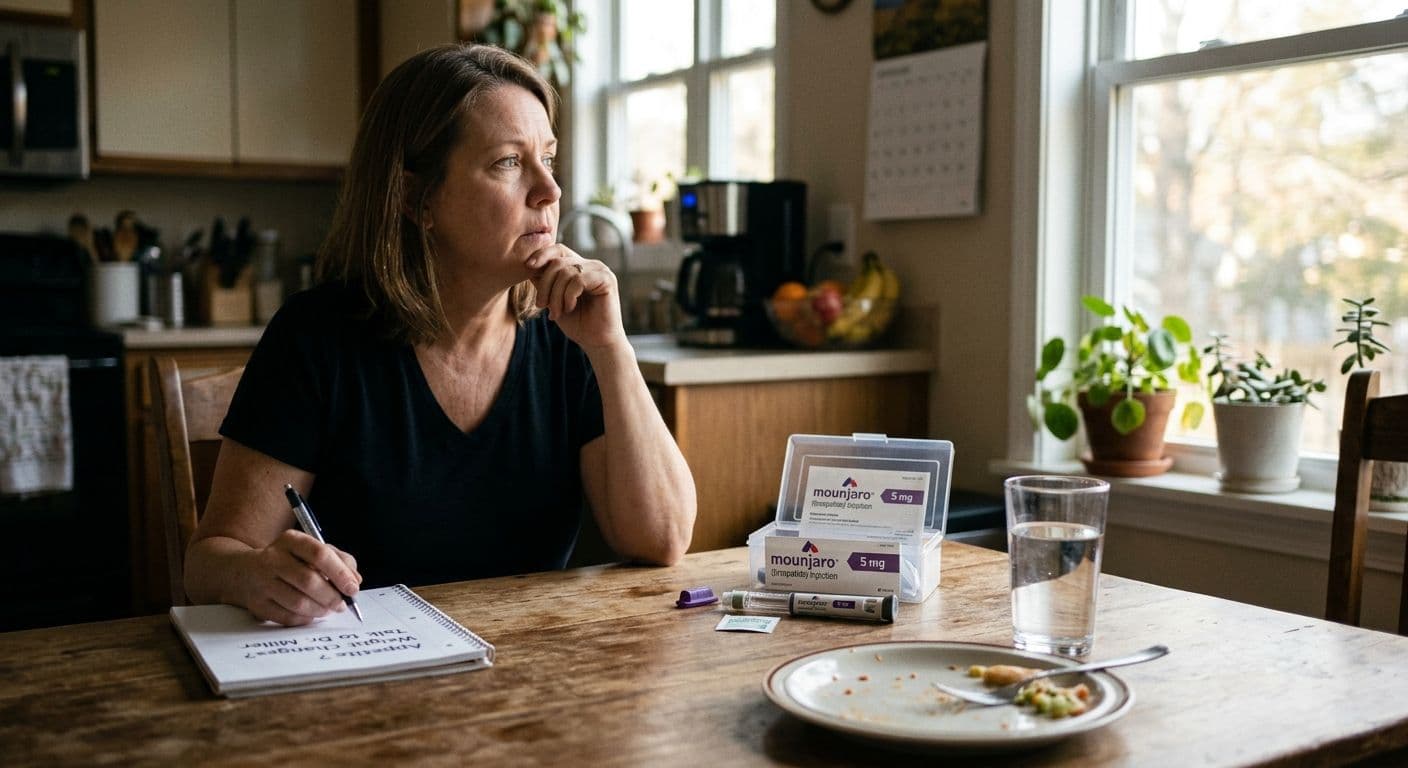
When you stop taking Mounjaro (tirzepatide), its glucose-related effects and appetite-suppression properties will gradually fade as the medicine clears from your body, rather than producing classic withdrawal-type symptoms.
Mounjaro is a dual GIP and GLP-1 receptor agonist, distinguishing it from single-receptor agonists like Wegovy/Ozempic (semaglutide) and Saxenda (liraglutide).
According to the UK Summary of Product Characteristics (SmPC), tirzepatide has an elimination half-life of about 5 days. This means it stays active in your system for several weeks after your last dose, with effects fading gradually rather than all at once.
No evidence suggests that stopping treatment causes dependence-related withdrawal symptoms. Instead, effects gradually wear off, which can increase appetite and return blood sugar levels toward their pre-treatment baseline.
This guide is for anyone considering stopping Mounjaro. We'll cover what to expect after treatment and current NICE guidance.
Does Stopping Mounjaro Cause Withdrawal Symptoms?
There's no evidence or MRHA guidance to suggest that stopping Mounjaro treatment causes withdrawal symptoms, as tirzepatide doesn't cause physical dependence. But it is normal to notice some physical changes as your body adjusts.
Stopping Mounjaro doesn't cause physical withdrawal syndrome symptoms such as headaches, insomnia, and shaking, but it does have some rebound effects, which are different. Rebound effects can include increased appetite, lower satiety, and heightened hunger signals.
In individuals with type 2 diabetes, blood sugar ratings will gradually return to pre-treatment levels.
How Long Does Mounjaro Stay In Your System After Your Last Dose?
When you stop treatment, the Mounjaro (Tirzepatide) will gradually clear from your body over several weeks instead of instantly. Mounjaro has a 5-day half-life stated in the SmPC and supported by pharmacokinetic research (PubMed), which enables Mounjaro to be administered as a once-weekly subcutaneous injection.
Based on the 5-day half-life, the medication can stay in the system for between 25 and 30 days on average. As Tirzepatide levels decrease over time, it's normal to experience a gradual return of appetite signals.
What To Expect Week By Week After Stopping Mounjaro
There isn't a clinically established, universal week-by-week timetable for everyone stopping Mounjaro. But its five-day half-life can help explain why changes are progressive rather than instant.
Week One
Week one after stopping Mounjaro can bring reduced medicine-related side effects like nausea, diarrhoea, and constipation. This is because Tirzepatide is still present in your body at meaningful levels, so appetite reduction and satiety may continue.
Weeks Two To Four
During weeks two to four after stopping treatment, you may notice your appetite returning and being able to eat larger portions without feeling full. As Tirzepatide levels continue to fall, its effects will become less pronounced, including reduced gastrointestinal side effects.
However, there's no fixed timeline for your appetite to return, and your experience may differ from someone else's.
One Month Onwards
During the four- to six-week mark and onwards, you may experience gradual weight regain if your eating patterns return to pre-treatment levels. Mounjaro's effect on gastric emptying may also change as your levels fall, which can make it harder to preserve your weight loss.
| Time After Stopping Mounjaro | What You May Notice | Why It Happen |
|---|---|---|
| Week one | Appetite reduction and fullness may continue, while side effects such as nausea, diarrhoea or constipation may begin to ease. | Tirzepatide is still present in your body and its effects wear off gradually. |
| Weeks two to four | Appetite may increase, you may feel hungry sooner and larger portions may feel easier to eat. Gastrointestinal side effects may continue to reduce. | Tirzepatide levels continue to fall, reducing its effects on appetite, fullness and digestion. |
| One month onwards | Maintaining your previous weight loss may become more difficult, and some people may gradually regain weig | The appetite-reducing effects of Mounjaro have substantially reduced, so eating patterns may begin returning towards pre-treatment levels. |
Will Your Appetite Come Back After Stopping Mounjaro?
It's common for appetite to increase once you stop Mounjaro weight-loss medication. Tirzepatide activates GLP-1 and GIP receptors, which regulate appetite. When your levels fall after stopping weekly injections, your hunger will return.
You may notice:
- Feeling hungry more often and experiencing more cravings.
- Lower satiety signalling, which can lead to larger portions and increased hunger after meals.
- Challenges maintaining eating patterns you established while taking Mounjaro.
Maintaining your diet and exercise plan, including a balanced diet with protein and regular exercise, can support weight maintenance, but there are no guarantees you won't regain weight after stopping Mounjaro.
Will You Regain Weight After Stopping Mounjaro?
Stopping Tirzepatide can lead to some weight gain, but this doesn't mean that everyone will regain all the weight they initially lost.
The SURMOUNT-4 randomised withdrawal trial published in JAMA shows the strongest evidence.
Participants received Mounjaro treatment for 36 weeks, and the average weight loss was 20.9% of the starting body weight.
Participants who switched to placebo gained an average of 14% of their starting weight between weeks 36 and 88, while the group that stayed on Mounjaro lost a further 5.5% to 6.7% on average.
While the study can provide a general idea of potential weight regain after stopping Mounjaro, it can't tell us how much weight an individual might gain.
Weight management depends on preserving lifestyle changes, including a reduced-calorie diet and regular physical activity.
What Don't We Know Yet?
While the SURMOUNT-4 trial showed that stopping Mounjaro treatment can lead to 14% weight regain over a year, no research suggests what happens years after stopping treatment.
Individual results depend on managing food noise, preserving muscle mass through strength training, and maintaining a balanced diet.
What Happens To Blood Sugar If You Stop Mounjaro For Type 2 Diabetes?
Mounjaro is licensed in the UK as a type 2 diabetes and weight loss treatment. If you use it for diabetes, you should always speak to your prescriber or a medical professional before stopping treatment.
Mounjaro supports glycaemic control through several mechanisms, including reducing glucagon levels and enhancing insulin secretion. NICE also recognises that tirzepatide reduces blood glucose levels in people with type 2 diabetes (measured through HbA1c).
Once you stop treatment, these effects are reduced. The patient information leaflet warns that stopping Mounjaro can cause blood sugar levels to increase in people with type 2 diabetes.
For this reason, your healthcare provider might want to perform a diabetes review that checks:
- Your blood sugar readings
- Any other diabetes medicines you take
- Whether an alternative treatment would be beneficial
- How often you should monitor your blood glucose
- Your long-term HbA1c
This is especially important if you also use insulin or a sulphonylurea. Any changes to your treatment can increase the risks of high or low blood sugar.
How To Stop Mounjaro Safely?
Current UK prescribing information doesn't list a standard tapering schedule for Mounjaro, but that doesn't mean you should stop your treatment without speaking to your pharmacist or prescriber.
The safest approach for stopping Mounjaro injections depends on why you want to discontinue treatment.
| Reason for stopping Mounjaro | What to do | Who to contact |
|---|---|---|
| Side effects | Don’t stop or change your dose independently. Discuss whether stopping, changing dose or another approach is appropriate | Your prescriber, GP or pharm |
| Surgery or a procedure | Tell your healthcare team you take Mounjaro and follow their instructions about dosing and pre-operative fasting. | Your surgical and anaesthetic team |
| Cost or supply issues | Don’t stretch doses or alter your dosing schedule yourself. Ask about alternative treatment or diabetes management if needed. | Your prescriber or pharmacist. |
| Temporary pause | Ask for advice before restarting. A longer treatment gap may affect your restart dose or require re-titration. | Your prescribe |
If You Are Stopping Because Of Side Effects
If you're experiencing side effects from Mounjaro, speak to your prescriber before either stopping or changing your treatment.
They can assess whether your symptoms are likely due to Mounjaro and discuss the most appropriate next steps.
NICE guidance suggests considering the reason why someone stopped Tirzepatide treatment before recommending they restart. For example, if you stopped treatment because of side effects, a slower titration period may be an option when restarting.
However, severe side effects like pancreatitis mean that treatment shouldn't be restarted.
The Question to Ask Your Prescriber: "Should I stop Mounjaro or would changing my dose be appropriate?"
If You're Stopping Before Surgery
You should always inform the surgical and anaesthetic team if you're having a procedure that will involve sedation or anaesthesia.
Tirzepatide delays gastric emptying, which matters for pre-operative fasting. Your surgical team should explore Mounjaro management based on clinical guidance and your individual circumstances.
Ask the Surgical Team: “Will I need to change my Mounjaro schedule before my procedure?”
If You Are Stopping Due To Supply Or Cost Issues
In some cases, supply shortages or cost-related factors may mean you can't continue Mounjaro treatment. Speak with your prescriber instead of changing your dosing schedule to make it last longer.
A healthcare professional can explore whether an alternative treatment is available for weight management and look at how to manage your blood sugar levels if you're using Mounjaro for type 2 diabetes.
Question to Ask Your Prescriber: “What are my options if I can't continue my current Mounjaro treatment?”
If You Are Pausing Rather Than Stopping
Temporary pauses aren't the same as stopping treatment, but you should still follow your prescriber's advice. For example, you may need a dose reduction or re-titration if you had a longer gap between injections, as this can reduce gastrointestinal side effects.
Question to Ask Your Prescriber: “If I pause Mounjaro now, what should I do when I'm ready to restart?”
What If You Are Pregnant Or Planning A Pregnancy?
Mounjaro isn't suitable for use during pregnancy. The UK SmPC advises discontinuing treatment at least a month before a planned pregnancy due to the long half-life (eMC).
If you're planning to conceive or become pregnant, speak to your healthcare provider about discontinuing treatment and any ongoing care you may require.
When To Contact A Pharmacist, GP Or Prescriber
It's normal to experience increased appetite and stronger hunger signals when you stop Mounjaro, but if you experience severe or persistent symptoms, seek medical advice.
A GP, pharmacist, or your prescriber can also support you if you're unsure how to manage other medicines or are considering stopping or restarting Mounjaro injections.
Book A Routine Conversation If:
- You want to stop Mounjaro.
- You're struggling to manage increased appetite, lower satiety, and are experiencing weight regain.
- You need support managing your diabetes medications.
- Your blood glucose is higher than usual.
- You'd like to restart Mounjaro treatment.
- The side effects are worrying you.
Get Urgent Medical Advice If:
- You're experiencing frequent vomiting.
- You have symptoms associated with dehydration.
- You're experiencing symptoms of hyperglycaemia or hypoglycaemia.
- You have persistent or severe abdominal pain that radiates to your back.
The Mounjaro patient information leaflet notes that abdominal pain that radiates to the back could be a sign of acute pancreatitis. If you think you may have pancreatitis, seek medical care immediately.
Individuals using diabetes medications and insulin are also at risk of hypoglycaemia (low blood sugar). Hypoglycaemia symptoms include shaking, dizziness, sweating, confusion, palpitations, and hunger.
If you need urgent advice but aren't experiencing an emergency, call NHS 111. In an emergency, call 999.
The MHRA Yellow Card Scheme also lets people report any side effects from Mounjaro use.
Restarting Mounjaro After A Break
In some cases, you may be able to restart Mounjaro after a break, but your prescriber should always manage this.
They can assess your Mounjaro starting dose based on your previous maintenance dose, while also considering why you stopped treatment and how well you tolerated Mounjaro in the past.
If there's a longer treatment gap, your prescriber may recommend starting at a lower dose and repeating the dose-escalation process to reduce gastrointestinal side effects.
It's important to tell your provider:
- How long ago you administered your last injection.
- Your previous dose before stopping treatment.
- Why you decided to stop the injections.
Single Missed Doses
If you miss a dose of Mounjaro, current prescribing guidelines recommend taking it as soon as possible, within four days.
However, if it's been more than four days since you missed a dose, skip it and continue treatment as normal.
Never double up to compensate for missed doses, as it can cause severe side effects.
Frequently Asked Questions
Why Do People Stop Taking Mounjaro?
People might stop taking Mounjaro for a range of reasons, including side effects, an upcoming surgical procedure, treatment availability, cost-related reasons, supply issues, and pregnancy.
Because Mounjaro is a prescription-only medicine, you should always discuss any potential changes with a healthcare professional.
Do Mounjaro Side Effects Stop Straight Away?
No, not necessarily. Because Tirzepatide has a five-day half-life, the medication doesn't instantly clear from your body.
You may notice that your side effects, including gastrointestinal discomfort and nausea, decrease over time, but there's no set timeline.
Will I Feel Tired or Low After Stopping Mounjaro?
Fatigue is a possible side effect after stopping Mounjaro injections, but there's no conclusive evidence. For this reason, speak with your healthcare provider if you experience fatigue or persistent lethargy after stopping treatment.
Irritability and mood changes may occur when you stop using Mounjaro, which could be due to blood sugar fluctuations.
Does Stopping Mounjaro Affect Your Mood?
There's no conclusive evidence that stopping Mounjaro treatment will affect your mood. If you notice any changes, speak to a healthcare professional so they can assess your symptoms.
Can You Stop Mounjaro if You're Pregnant or Trying to Conceive?
You shouldn't use Mounjaro if you're planning on becoming pregnant, and UK SmPC guidelines clearly state that treatment should be discontinued at least a month before a planned pregnancy.
If you become pregnant while using Mounjaro or are planning to conceive, ask your prescriber for individual advice.
Do You Need to Taper Off Mounjaro?
There's no fixed tapering schedule in UK prescribing information, so you should discuss stopping treatment with your prescriber. This is particularly important for people using the treatment for type 2 diabetes.
Can You Restart Mounjaro After Regaining Weight?
NICE guidance states that if a person successfully lost weight but regained it after stopping Tirzepatide, they may be able to restart treatment, but they should also explore a healthy diet and exercise improvements for better outcomes.
Ultimately, restarting Mounjaro depends on your circumstances, your previous response to treatment, and why you originally stopped the weight loss injections.


You might also like

Mounjaro Doses: The Complete Mounjaro Dosage Chart and Titration Guide
Mounjaro is a once-weekly weight loss injection that comes in six different dose strengths. Each Mounjaro dose is administered with the KwikPen, and you begin with the lowest dose, gradually increasing it weekly until you reach your optimal maintenance dose (titration).

What is Tirzepatide? How It Works, Side Effects & What to Expect
Tirzepatide is a weekly injection that can help you lose weight. Learn how tirzepatide works, how to take it, the side effects and more in our complete guide.
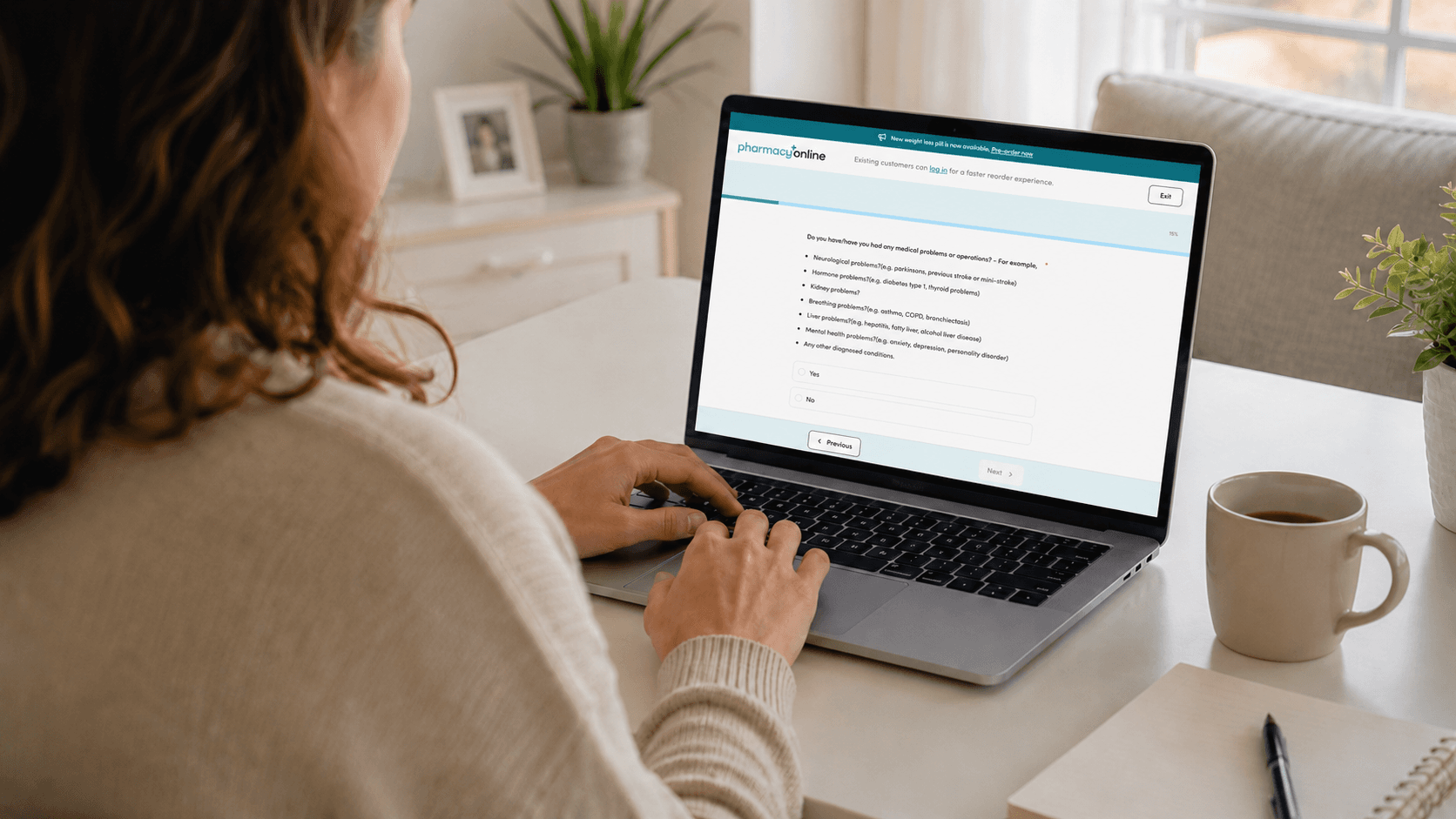
What to Expect From Our Online Weight Loss Service
Thinking about using our online weight loss service? Find out what happens at each stage, from first consultation through to ongoing check-ins and support.