
Why Am I Not Losing Weight On Mounjaro?
No weight loss on Mounjaro? Understand the common reasons — dose stage, timing, food and fluid intake, injection habits, other medicines — and when to speak to your prescriber.
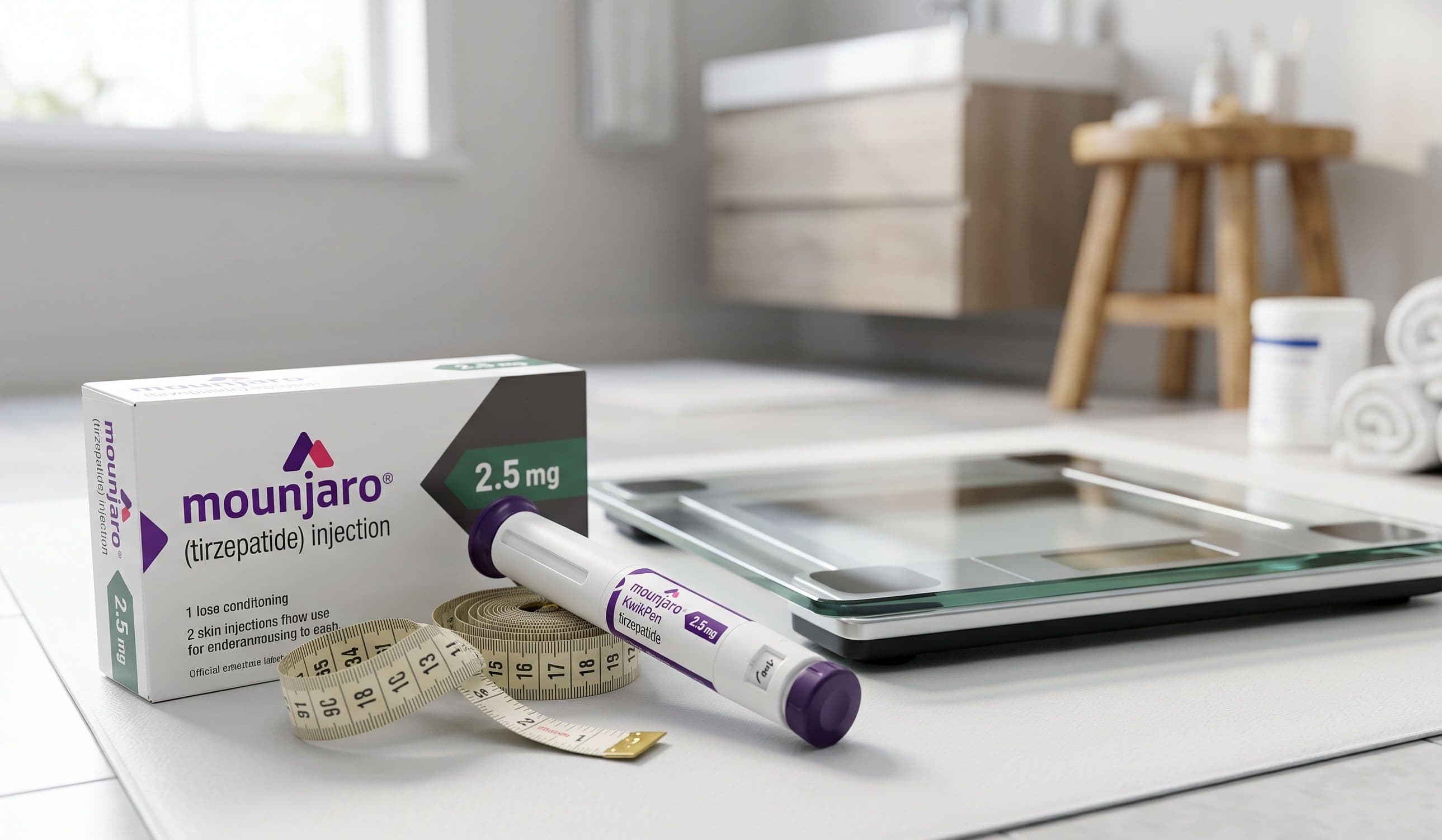
If you're not losing weight on Mounjaro (tirzepatide), it doesn't always mean that the medication isn't working. It could be because you're still in the early titration stages, your weight fluctuates due to a medical condition, or your habits such as exercise, diet, and injection schedule are limiting your progress.
A small group of people don't respond to Mounjaro injections, but you should speak to your prescriber before altering your dose or moving to a different weight loss treatment.
It's also important to note that there's a distinct difference between being unresponsive to treatment and experiencing a temporary weight loss plateau.
The National Institute for Health and Care Excellence (NICE) recommends reviewing whether to continue Mounjaro treatment if the individual hasn't lost more than 5% of their body weight after six months on their maximum tolerated maintenance dose.
In this guide, we'll cover why you may not be losing weight on Mounjaro and the steps you should take before contacting your prescriber.
Is the starting dose of Mounjaro meant to cause weight loss?
The starting dose of Mounjaro isn't meant to cause weight loss. Instead, it's an initiation dose that helps your body adapt to the medication, so you shouldn't use it to predict whether the treatment plan will work for you.
The starting dose of Mounjaro is a 2.5 mg injection once a week for four weeks. If there are no issues with your treatment, your prescriber will increase the dose to 5 mg, then increase it in 2.5 mg intervals (also known as dose titration).
The lower dose gives your body time to adjust to the gastrointestinal effects of Mounjaro, which include vomiting, nausea, constipation, and diarrhoea.
The minimum time between dose increases is four weeks, but your prescriber may recommend longer intervals.
While some people lose weight early in treatment, it's normal to see little change on the scales. The patient information leaflet states that you should give the medication time to work and avoid changing your dose unless a doctor or your prescriber advises it.
How long does it take for Mounjaro to start working?
Mounjaro begins to act pharmacologically once you start treatment, but visible weight loss varies by individual.
The gradual titration process means you don't start at the highest maintenance dose, and your prescriber will monitor your response to each dose, then decide whether to increase it.
So, during the first few weeks of tirzepatide treatment, you might notice small or inconsistent changes. The following factors can also influence your weight loss progress:
- Your starting weight and current Mounjaro dose.
- Your level of physical activity
- Food and drink intake
- Whether you have an underlying health condition
- Unstable working patterns and poor sleep quality
- Short-term fluid changes and constipation
Instead of judging weight loss based on the scales alone, look at the overall trend in your weight and discuss any concerns with your prescriber during reviews.
NICE guidelines recommend reviewing treatment options if you haven't lost at least 5% of your body weight after six months.
Why has my weight not changed on Mounjaro but my clothes feel looser?
If your clothes feel looser but your weight hasn't changed on the scales, it doesn't mean that Mounjaro isn't working, as you might still be losing fat.
Scale weight includes lean mass, body water, fat mass, bowel contents, food, and glycogen, so even if you lose some fat, it may not show up on the scale.
Everyday Factors That Can Mask Changes in Body Fat Mass:
Body Water: Fluid retention can increase your body weight without moving the scales, which doesn't mean your body fat ratio hasn't decreased.
Glycogen: Your body stores carbohydrates as glycogen, which is stored along with water. Changes in your carbohydrate intake can alter your scale weight.
Sodium: A high-sodium diet can lead to short-term fluid retention.
Constipation: As a recognised gastrointestinal side effect of tirzepatide, constipation can add weight to the scales.
The takeaway here is that scale weight doesn't tell the whole story about whether you're losing body fat.
Menstrual Cycle and Hormonal Changes
Your menstrual cycle can also change body water, and hormonal fluctuations can contribute to temporary fluid retention; up to 92% of women experience it (NIH). It's normal for someone who menstruates to see their weight increase at certain points in their cycle.
Comparing measurements in consecutive menstrual cycles can help you track your weight loss.
Better Ways to Track Body Composition
Instead of relying solely on the scale, you can use other measures, including progress photos, waist circumference, and how your clothes fit.
While smart scales can help you gauge weight loss, bioelectrical impedance measures can be influenced by factors such as hydration.
Can poor sleep or night shifts stop me losing weight on Mounjaro?
Shift work or poor sleep quality doesn't stop tirzepatide from working, but it can affect your drinking, eating, and sleeping patterns, which may reduce the calorie deficit Mounjaro's appetite-suppressing effects create.
Mounjaro works by increasing satiety, reducing your appetite, and delaying gastric emptying, but it doesn't mean that your calorie intake will decrease.
Some people still consume excess calories through soft foods and meal-replacement shakes, while others may continue to eat even when they feel full.
Snacking throughout the day and consuming alcohol can also increase your calorie intake.
Dietary Choices
Food quality matters when using tirzepatide. For example, even if you eat fewer calories, processed or high-sugar foods can affect your weight loss.
Prioritising lean proteins supports muscle mass, while hydration and dietary fibre can support bowel function.
Mounjaro can still work if you work nights, but grazing through shifts, calorie-containing drinks and inconsistent sleep patterns can all make weight management more challenging.
Does injecting into the same spot stop it working?
Using the same injection spot doesn't stop Mounjaro from working, but rotating injection sites can prevent soreness and redness. However, if you have lumpy or scarred tissue, then it can impact absorption.
As a subcutaneous injection, the recommended sites are the upper arm, abdomen, and thighs.
If you're not losing weight on Mounjaro, there are other things you should check:
How Your KwikPen Has Been Stored
Store the Mounjaro KwikPen in a refrigerator before use (2°C to 8°C), but never use frozen pens. After the first injection, you can store the pen at room temperature for up to 30 days (up to 30°C).
It's also essential to check the expiry date before using tirzepatide. The Patient Information Leaflet also makes it clear that you shouldn't inject the medication if it appears discoloured, contains particles, or looks cloudy.
Check for Missed or Late Doses
Missing an injection can also disrupt your dosing pattern. The Mounjaro Patient Information Leaflet has clear instructions regarding missed injections. Never take an extra dose to make up for a missed one, and follow the instructions provided with your medication.
If you're unsure whether you've stored your pen correctly or about your injection technique, please contact your prescriber.
What should I check before I ask for a dose increase?
Check a few things before asking for a Mounjaro dose increase, including your diet and exercise plan, body measurements, dose titration stage, and pen storage.
Try a simple self-audit before contacting your prescriber:
- Dose Escalation: What dose am I taking, and how long have I been on it?
- Consistency: Have I delayed or missed weekly injections?
- Weight Trend: Am I monitoring consistent weigh-ins or reacting to a single measurement?
- Body Measurements: Is my waist circumference, clothing fit or appearance changing?
- Food Intake: Am I still eating when I'm full or relying on calorie-dense foods?
- Drinks: Do I regularly drink alcohol or other calorie-containing drinks?
- Grazing: Am I snacking throughout the day due to habit?
- Dietary Choices: Is my diet balanced with proteins, healthy fats, fibre, and complex carbohydrates?
- Sleep: Has poor sleep, stress or shift work changed my eating routine?
- Injection Technique: Am I rotating injection sites and following the instructions provided with my KwikPen?
- Storage: Is the pen refrigerated and stored according to its Patient Information Leaflet?
- Other Medication: Have I started or changed another medicine since beginning Mounjaro?
It's best to write down the answers instead of trying to remember them. Providing this information to your prescriber can also help them to monitor your weight loss journey and assess whether you might require any changes.
Can my other medication stop Mounjaro working?
Some prescription medicines can lead to weight gain or make it harder to lose weight, but it doesn't mean that tirzapetide isn't working.
For example, some medicines can cause fluid retention, increase your appetite, or alter your blood glucose levels, including antidepressants and corticosteroids.
If you have an underactive thyroid (hypothyroidism) or PCOS (Polycystic ovary syndrome), it can impact your metabolism.
PCOS is also linked with hormonal changes and insulin resistance, which can increase your chances of gaining weight (PubMed).
If you have Cushing's Syndrome or obstructive sleep apnoea, your prescriber will factor this in when deciding whether to prescribe Mounjaro and adjusting your doses.
When should I see a doctor about Mounjaro not working?
If you're progressing through your treatment plan but don't see any noticeable changes after six months, speak to your prescriber. You can also contact them if you're worried about side effects or are unsure whether your dose should increase.
Your prescriber will review your medication to assess why your weight loss has plateaued and recommend next steps. They can also advise on Mounjaro KwikPen storage.
When to Seek Immediate Medical Attention
If you're experiencing serious side effects from Mounjaro like repeated vomiting or severe abdominal pain, please contact your healthcare provider. Individuals using diabetes medicines like sulfonylureas and insulin are also more at risk of hypoglycaemia.
Please follow any urgent-care instructions provided with the medicine and use NHS 111 or call 999 depending on the severity of your symptoms.
Frequently Asked Questions
Can you build a tolerance to Mounjaro?
Weight loss plateaus don't mean that you've built a pharmacological tolerance to tirzepatide. If your weight loss or appetite suppression has changed, your prescriber will assess whether it's a normal plateau or other potential causes.
Does Mounjaro stop working after a few months?
No, a weight plateau doesn't always mean that Mounjaro isn't effective. It's normal for weight loss to slow as your treatment progresses, since a higher weight often leads to more weight loss initially. Discuss your plateau with your provider before making any decisions.
Can I lose weight on Mounjaro without changing my diet?
It's possible, because Mounjaro reduces hunger and cravings. But tirzepatide works best for weight management when combined with increased physical activity and a calorie deficit.
Is it normal to lose no weight in the first month?
Yes, it can be normal to experience little or no weight loss during the first months of treatment, as 2.5 mg of Mounjaro is the starting dose. Most people see weight loss as they move through the titration process.
Will going up a dose always restart weight loss?
No, dose escalation doesn't guarantee more weight loss. Your prescriber will assess whether increasing the dose might be beneficial by looking at your response to the treatment and how well you tolerate the medicine.
Does Mounjaro work differently if you have less weight to lose?
Weight loss varies by person, so it's not a good idea to compare your progress with someone else's. Your prescriber will assess changes based on your treatment goals, starting BMI, and other factors.
Can I take Mounjaro alongside my other medication?
Please check with your prescriber to make sure your current medication won't interact with tirzepatide. If you're using sulfonylureas or insulin with tirzepatide, your healthcare provider will need to monitor your usage and make changes if necessary due to hypoglycaemia risks.
Does exercise make Mounjaro work better?
Exercise doesn't directly make Mounjaro work better, but regular physical activity can support weight loss by burning more calories.
Can the KwikPens be faulty?
Yes, KwikPens can be faulty. Check the pen's expiry date, appearance, and storage temperatures to determine whether there's an issue. You can contact your prescriber to request a replacement.


Related articles

Mounjaro Side Effects: Common, Serious & Long-Term
Learn about Mounjaro (tirzepatide) side effects - from common nausea and hair loss to rare risks like pancreatitis. Backed by FDA data and clinical trials.
Why Am I Not Losing Weight On Mounjaro?
No weight loss on Mounjaro? Understand the common reasons — dose stage, timing, food and fluid intake, injection habits, other medicines — and when to speak to your prescriber.

Wegovy Vs Mounjaro: Which Is Better For Weight Loss?
In this guide, we'll explore Wegovy and Mounjaro in detail, so you can make the right decision for your weight loss treatment.